
 购物车
购物车 
-
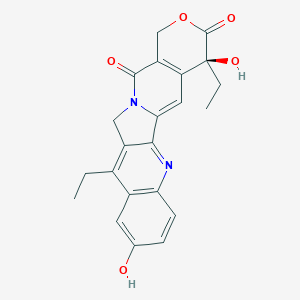
SN 38, DNA topoisomerase I inhibitor
NMR and HPLC COA下载 MSDS下载 - Names:
SN 38
- CAS号:
86639-52-3
MDL Number: MFCD06762720 - MF(分子式): C22H20N2O5 MW(分子量): 392.40
- EINECS:643-093-9 Reaxys Number:
- Pubchem ID: Brand:BIOFOUNT
| 货品编码 | 规格 | 纯度 | 价格 (¥) | 现价(¥) | 特价(¥) | 库存描述 | 数量 | 总计 (¥) |
|---|---|---|---|---|---|---|---|---|
| YZM000898-100mg | 100mg | 99.4% | ¥ 1002.00 | ¥ 1002.00 | 1-3天 | ¥ 0.00 | ||
| YZM000898-50mg | 50mg | 99.4% | ¥ 732.00 | ¥ 732.00 | 1-3天 | ¥ 0.00 | ||
| SA0010-100mg | 100mg | 98% | ¥ 161.00 | ¥ 161.00 | 1-3days | ¥ 0.00 |
| 中文别名 | SN 38,DNA topoisomerase I抑制剂;7-乙基-10羟基喜树碱(86639-52-3,7-Ethyl-10-hydroxycamptothecin);乙酰甘草次酸;喜树碱7-乙基-10-羟基杂质;7-乙基-10-羟基喜树碱(SN-38) |
| 英文别名 | SN 38,Active metabolite of CPT-11;7-Ethyl-10-hydroxycamptothecin(86639-52-3);SN-38;NK-012;7-Ethyl-10-hydroxy-camptothecin;10-Hydroxy-7-ethylcamptothecin |
| CAS号 | 86639-52-3 |
| Inchi | InChI=1S/C22H20N2O5/c1-3-12-13-7-11(25)5-6-17(13)23-19-14(12)9-24-18(19)8-16-15(20(24)26)10-29-21(27)22(16,28)4-2/h5-8,25,28H,3-4,9-10H2,1-2H3/t22-/m0/s1 |
| InchiKey | FJHBVJOVLFPMQE-QFIPXVFZSA-N |
| 分子式 Molecular Weight | C22H20N2O5 |
| 分子量 Formula | 392.40 |
| 溶解度Solubility | DMSO : 25 mg/mL (63.71 mM; Need ultrasonic) H2O : < 0.1 mg/mL (insoluble) |
| 性状 | 灰白色至黄色固体 |
| 储藏条件 Storage conditions | 短期1-2周储存在-4℃条件下就行,长期储存(1-2年)需在-20℃条件下存储 |
SN 38(86639-52-3,7-Ethyl-10-hydroxycamptothecin)实验注意事项:
1.实验前需戴好防护眼镜,穿戴防护服和口罩,佩戴手套,避免与皮肤接触。
2.实验过程中如遇到有毒或者刺激性物质及有害物质产生,必要时实验操作需要手套箱内完成以免对实验人员造成伤害。
3.取样品的移液枪头需及时更换,必要时为避免交叉污染尽可能选择滤芯吸头。
4.称量药品时选用称量纸,并无风处取药和称量以免扬撒,试剂的容器使用前务必确保干净,并消毒。
5.取药品时尽量采用多个药勺分别使用,使用后清洗干净后,烘干消毒存放。
6.实验后产生的废弃物需分类存储,并交于专业生物废气物处理公司处理,以免造成环境污染。
7-Ethyl-10-hydroxycamptothecin(86639-52-3) Experimental considerations:
1. Wear protective glasses, protective clothing and masks, gloves, and avoid contact with the skin during the experiment.
2. The waste generated after the experiment needs to be stored separately, and handed over to a professional biological waste gas treatment company to avoid environmental pollution.
Tag:7-乙基-10羟基喜树碱(86639-52-3,7-Ethyl-10-hydroxycamptothecin),7-乙基-10羟基喜树碱试剂,7-乙基-10羟基喜树碱的纯度,7-乙基-10羟基喜树碱的外观,7-乙基-10羟基喜树碱的溶解度,7-乙基-10羟基喜树碱的厂家,7-乙基-10羟基喜树碱的价格,7-乙基-10羟基喜树碱的作用,7-乙基-10羟基喜树碱的MSDS,7-乙基-10羟基喜树碱的合成
| 产品说明 | SN 38,DNA topoisomerase I抑制剂(86639-52-3,7-Ethyl-10-hydroxycamptothecin)是CPT-11(伊立替康)的活性代谢物。 抑制 DNA 拓扑异构酶 I(在 P388 和 Ehrlich 细胞中的 IC50 值分别为 0.74 和 1.9 μM)以及 DNA 和 RNA 合成(IC50 值分别为 77 nM 和 1.3 μM) |
| Introduction | 7-Ethyl-10-hydroxycamptothecin(86639-52-3,7-乙基-10羟基喜树碱) used for scientific research and chemical synthesis intermediates |
| Application1 | 7-乙基-10羟基喜树碱(86639-52-3,7-Ethyl-10-hydroxycamptothecin)是拓扑异构酶I抑制剂伊立替康的活性代谢产物。 |
| Application2 | 7-乙基-10羟基喜树碱(86639-52-3,7-Ethyl-10-hydroxycamptothecin)抑制DNA合成和RNA 合成的IC50分别为0.077 和 1.3 μM。 |
| Application3 | 7-乙基-10羟基喜树碱(86639-52-3,7-Ethyl-10-hydroxycamptothecin)可用于化妆品中。 |
| 警示图 | |
| 危险性 | warning |
| 危险性警示 | No data available |
| 安全声明 | H303吞入可能有害+H313皮肤接触可能有害+H333吸入可能对身体有害 |
| 安全防护 | P264处理后彻底清洗+P280戴防护手套/穿防护服/戴防护眼罩/戴防护面具+P305如果进入眼睛+P351用水小心冲洗几分钟+P338取出隐形眼镜(如果有)并且易于操作,继续冲洗+P337如果眼睛刺激持续+P313获得医疗建议/护理 |
| 备注 | 实验过程中防止吸入、食入,做好安全防护 |
| 象形图 |   |
|---|---|
| 信号 | Danger |
| GHS危险说明 |
Aggregated GHS information provided by 56 companies from 5 notifications to the ECHA C&L Inventory. Each notification may be associated with multiple companies. Reported as not meeting GHS hazard criteria by 1 of 56 companies. For more detailed information, please visit ECHA C&L website Of the 4 notification(s) provided by 55 of 56 companies with hazard statement code(s): H301 (78.18%): Toxic if swallowed [Danger Acute toxicity, oral] H341 (21.82%): Suspected of causing genetic defects [Warning Germ cell mutagenicity] Information may vary between notifications depending on impurities, additives, and other factors. The percentage value in parenthesis indicates the notified classification ratio from companies that provide hazard codes. Only hazard codes with percentage values above 10% are shown. |
| 防范说明代码 |
P201, P202, P264, P270, P281, P301+P310, P308+P313, P321, P330, P405, and P501 (The corresponding statement to each P-code can be found at the GHS Classification page.) |
| 1. Increased Plasma Concentrations of Unbound SN-38, the Active Metabolite of Irinotecan, in Cancer Patients with Severe Renal Failure(Pharmaceutical Research,2015) |
| 2. Injectable SN-38-loaded Polymeric Depots for Cancer Chemotherapy of Glioblastoma Multiforme(Pharmaceutical Research,2016) |
| 3. Direct Inhibition and Down-regulation by Uremic Plasma Components of Hepatic Uptake Transporter for SN-38, an Active Metabolite of Irinotecan, in Humans |
| 4. SN-38, the active metabolite of irinotecan, inhibits the acute inflammatory response by targeting toll-like receptor 4(Cancer Chemotherapy and Pharmacology,2019) |
| 5. Effects of methimazole on the elimination of irinotecan(Cancer Chemotherapy and Pharmacology,2010) |
1.Predictive effects of bilirubin on response of colorectal cancer to irinotecan-based chemotherapy.
Yu QQ1, Qiu H1, Zhang MS1, Hu GY1, Liu B1, Huang L1, Liao X1, Li QX1, Li ZH1, Yuan XL1. World J Gastroenterol. 2016 Apr 28;22(16):4250-8. doi: 10.3748/wjg.v22.i16.4250.
AIM: To examine the predictive effects of baseline serum bilirubin levels and UDP-glucuronosyltransferase (UGT) 1A1*28 polymorphism on response of colorectal cancer to irinotecan-based chemotherapy.
2.A Randomized, Phase II Trial of Cetuximab With or Without PX-866, an Irreversible Oral Phosphatidylinositol 3-Kinase Inhibitor, in Patients With Metastatic Colorectal Carcinoma.
Bowles DW1, Kochenderfer M2, Cohn A3, Sideris L4, Nguyen N5, Cline-Burkhardt V6, Schnadig I7, Choi M8, Nabell L9, Chaudhry A10, Ruxer R11, Ucar A12, Hausman D13, Walker L13, Spira A14, Jimeno A15. Clin Colorectal Cancer. 2016 Mar 31. pii: S1533-0028(16)30029-9. doi: 10.1016/j.clcc.2016.03.004. [Epub ahead of print]
BACKGROUND: The phosphotidylinositol-3 kinase (PI3K)/serine-threonine kinase/mammalian target of rapamycin signaling pathway is frequently altered in colorectal cancer (CRC). PX-866 is an oral, irreversible, pan-isoform inhibitor of PI3K. This randomized phase II study evaluated cetuximab with or without PX-866 in patients with metastatic, anti-epidermal growth factor receptor-naive, KRAS codon 12 and 13 wild-type CRC.
3.Effect of Single Nucleotide Polymorphisms in the Xenobiotic-sensing Receptors NR1I2 and NR1I3 on the Pharmacokinetics and Toxicity of Irinotecan in Colorectal Cancer Patients.
Mbatchi LC1,2,3, Robert J4, Ychou M2,5, Boyer JC1, Del Rio M2, Gassiot M1,2, Thomas F6, Tubiana N7, Evrard A8,9,10. Clin Pharmacokinet. 2016 Apr 26. [Epub ahead of print]
BACKGROUND AND OBJECTIVES: Nuclear receptors PXR (pregnane X receptor, NR1I2) and CAR (constitutive androstane receptor, NR1I3) are key regulators of irinotecan metabolism, and ligand-dependent modulation of their activity leads to significant drug-drug interactions. Because genetic polymorphisms can also affect the activity of these xenobiotic-sensing receptors, we hypothesized that they could contribute to the interpatient variability of irinotecan pharmacokinetics and to the toxicity of irinotecan-based regimens.
4.The contribution of pharmacogenetics to pharmacovigilance.
Bondon-Guitton E1, Despas F2, Becquemont L3. Therapie. 2016 Mar-Apr;71(2):223-8. doi: 10.1016/j.therap.2016.02.005. Epub 2016 Mar 3.
Since the beginning of this century, information on pharmacogenetics appears in the summary of product characteristics (SPC) of drugs. Pharmacogenetic tests particularly concern the enzymes involved in the metabolism of drugs, among which P450 cytochromes. Some patients known as poor metabolisers eliminate some drugs more slowly, causing overdoses and adverse drug reactions (ADRs). The best-known examples are AVK and VKORC1-CYP2C9 or clopidogrel and CYP2C19. In the USA, the tests are recommended before the introduction of these drugs to prevent the occurrence of ADRs. Other tests are also commonly performed to address the toxicity of certain anticancer drugs (DPYD-capecitabine, UGT1A1-irinotecan, TPMT 6-mercaptopurine). Pharmacogenetic testing is also available to identify HLA loci that are very strongly associated with the occurrence of immuno-allergic reactions to a specific drug. The best-known example is HLA-B*5701, strongly associated with hypersensitivity to abacavir, and this test is now always prescribed before the instatement of this drug.
- 相关产品
-
< >
- 推荐产品
-
< >
- 最新产品
-
< >
新闻
怎么做细胞爬片免疫组化染色实验
细胞爬片免疫组化染色,是通过细胞爬片是让玻片浸在细胞培养基内,细胞在玻片上生长,主要用于组织学,免疫组织化学...
2020/7/20 22:04:33
提取病毒RNA的实验方法
提取病毒RNA方法分别有:异硫氰酸胍的提取病毒RNA方法、TRIzol LS提取法、Trizol法提取法等等...
2020/7/22 20:29:26
细胞培养耗材技术领先性
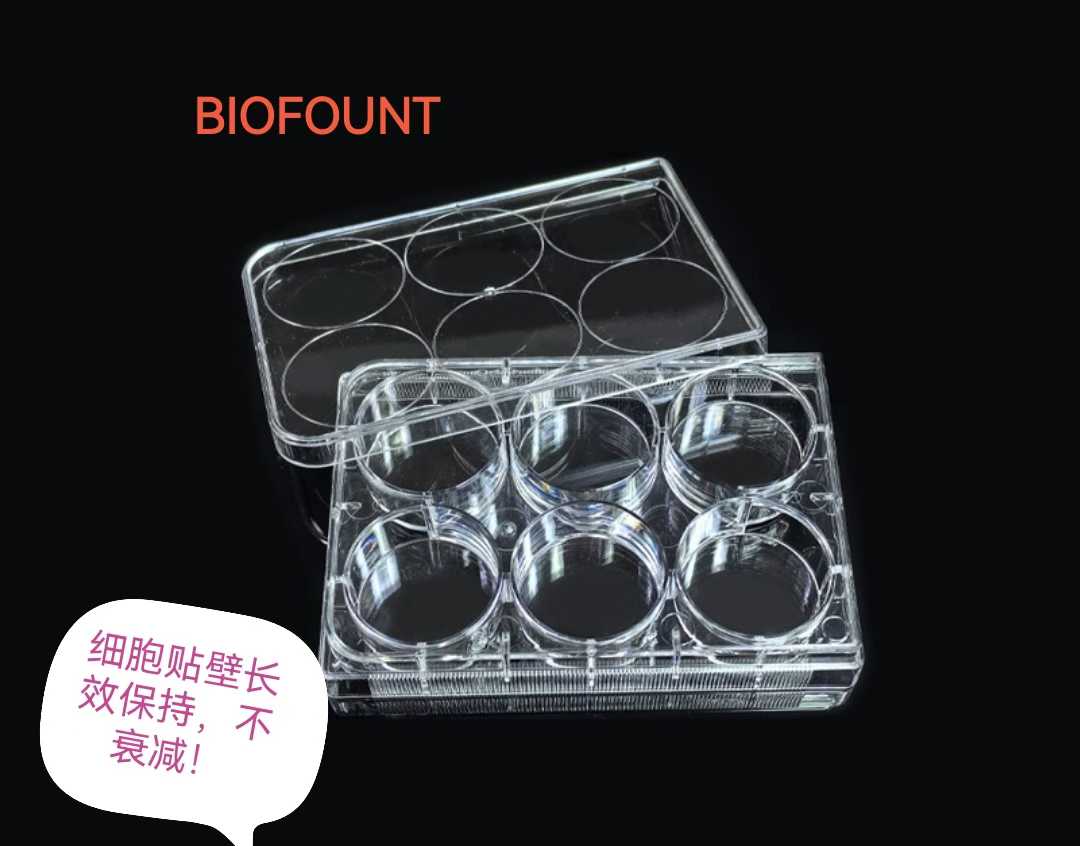
细胞培养板行业面临的核心痛点是:常规TC处理后表面亲水角随时间衰减,影响长期培养稳定性,BIOFOUNT高分...
2026/4/28 15:12:51
细胞培养耗材关键性能
细胞培养板的水接触角作为表面润湿性的核心指标,直接影响细胞贴壁、增殖、分化及功能表达,其中40°(低接触角/...
2026/4/28 14:52:44
chelex 100树脂国产替代之路-BIOFOUNT范德生物
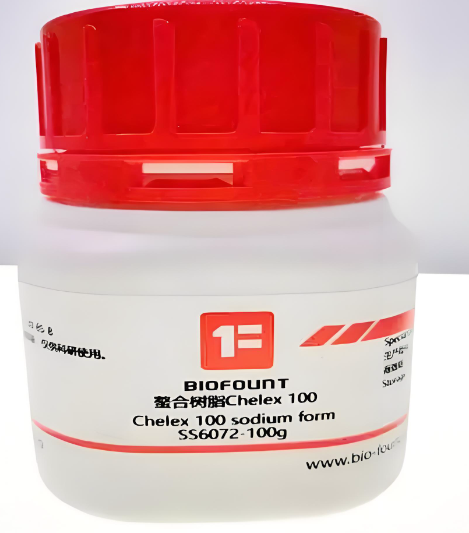
Chelex 100螯合离子交换树脂对铜、铁和其他重金属?的偏好显著高于对钠、钾等一价阳离子的偏好。它对二价...
2025/11/4 14:22:46
9月开学季——助研新学期 范德送好礼
2025/8/28 15:30:55

Waxfilm 实验室封口膜:技术与国际市场的双重突破
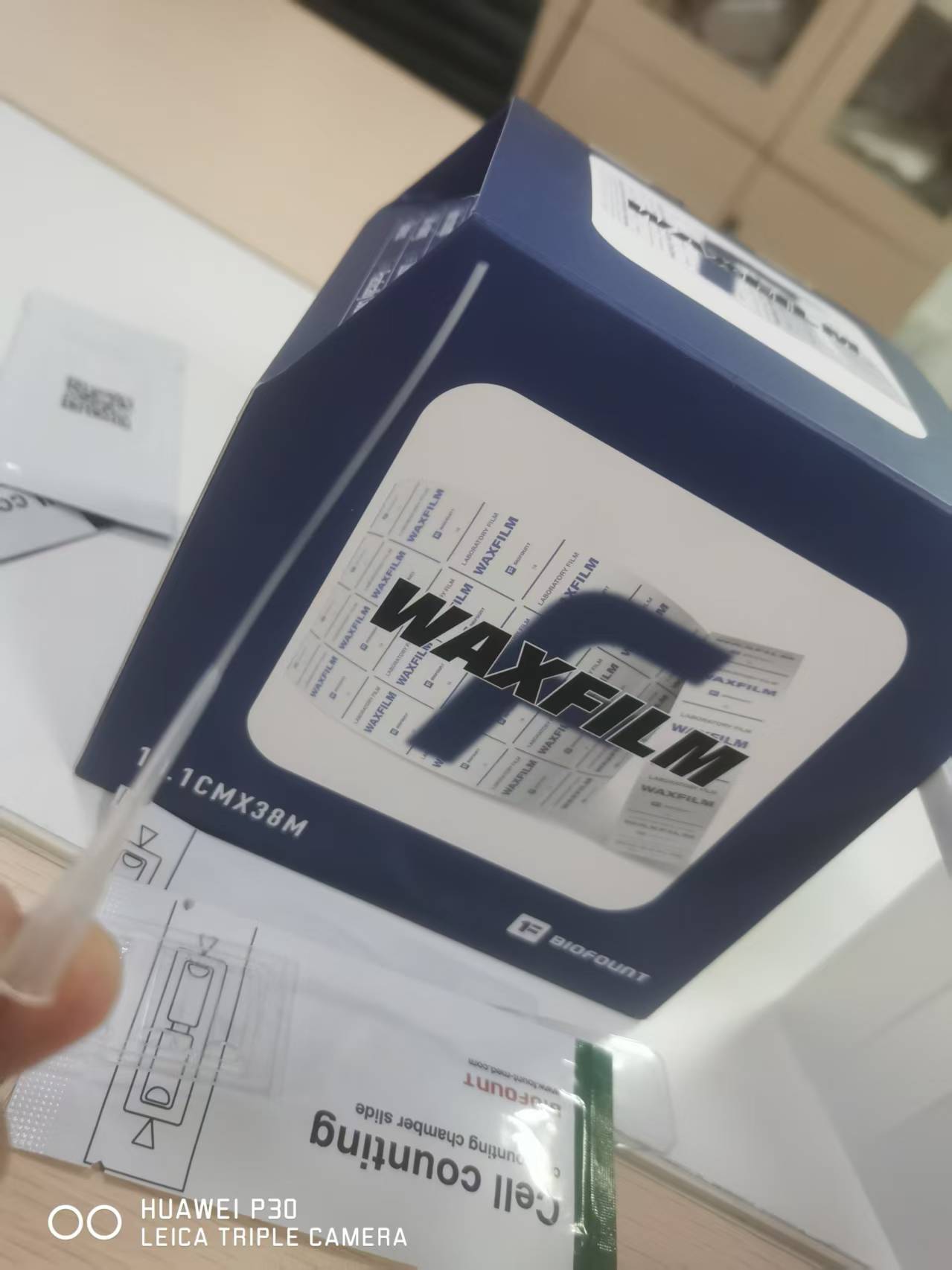
在实验室耗材领域,封口膜是保障实验准确性与稳定性的关键产品之一。近年来,Waxfilm?实验室封口膜凭借其卓...
2025/5/13 13:03:40
Waxfilm实验室封口膜的5大突破
Waxfilm实验室封口膜作为生物功能膜领域的国产技术突破和品牌突破,是生物领域中国技术发展的缩影。
2025/5/6 17:02:07
各种微流控芯片键合方法的优缺点
微流控芯片键合:目前主要有激光焊接、热压键合、胶键合、超音波焊接,每种方法都有各自的优缺点。本文主要介绍聚酯...
2023/7/28 10:43:09
新一代微流控键合解决方案
微流控键合解决方案:微流控芯片制造的一个重要环节,也是最容易被忽视的--芯片键合。其中一个重要因素是:微流控...
2023/7/27 12:44:28