
 购物车
购物车 
-
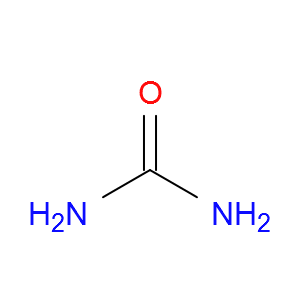
尿素
NMR and HPLC COA下载 MSDS下载 - Names:
Urea
- CAS号:
57-13-6
MDL Number: MFCD00008022 - MF(分子式): CH4N2O MW(分子量): 60.06
- EINECS:200-315-5 Reaxys Number:
- Pubchem ID: Brand:BIOFOUNT
尿素(Urea;57-13-6)是一种含羰基的含氮化合物,该羰基与两个具有渗透性利尿活性的胺基相连。 在体内,尿素是通过氨的尿素循环在肝脏中形成的,是蛋白质代谢的最终产物。 尿素的施用提高了血浆渗透压,导致水从组织(包括脑,脑脊液和眼)进入组织液和血浆的流量增加,从而降低了这些组织的压力并增加了尿液的流出。
| 货品编码 | 规格 | 纯度 | 价格 (¥) | 现价(¥) | 特价(¥) | 库存描述 | 数量 | 总计 (¥) |
|---|---|---|---|---|---|---|---|---|
| JY0003-500g | 500g | AR,99% | ¥ 58.00 | ¥ 58.00 | Instock | ¥ 0.00 | ||
| SC0160-1kg | 1kg | 细胞培养级,≥99.5% | ¥ 396.00 | ¥ 396.00 | Instock | ¥ 0.00 |
| 中文别名 | 尿素(57-13-6);脲; 碳酰二胺脲; 尿素,碳酰胺; 碳酰胺; 碳酰二胺; 胺甲醯胺; 涂硫尿素 |
| 英文别名 | Urea(57-13-6);Urea Carbamide;Carbonyl diamide;carbonyl diamine;carbonyldiamide |
| CAS号 | 57-13-6 |
| Inchi | InChI=1S/CH4N2O/c2-1(3)4/h(H4,2,3,4) |
| InchiKey | XSQUKJJJFZCRTK-UHFFFAOYSA-N |
| 分子式 Molecular Weight | CH4N2O |
| 分子量 Formula | 60.06 |
| 溶解度Solubility | 溶于水、甲醇、乙醇,微溶于乙醚、氯仿、苯。 |
| 性状 | white crystalline powder |
| 储藏条件 Storage conditions | 密封保存。 |
尿素(Urea;57-13-6)毒理性质:
| 动物 | 测试类型 | 途径 | 实验摄入量 (标准摄入量) | 影响 | 文献来源 |
| dog | LDLo | intravenous | 3gm/kg (3000mg/kg) | "Abdernalden's Handbuch der Biologischen Arbeitsmethoden." Vol. 4, Pg. 1353, 1935. | |
| dog | LDLo | subcutaneous | 3gm/kg (3000mg/kg) | "Abdernalden's Handbuch der Biologischen Arbeitsmethoden." Vol. 4, Pg. 1353, 1935. | |
| domestic animals - goat/sheep | LDLo | oral | 511mg/kg (511mg/kg) | LUNGS, THORAX, OR RESPIRATION: DYSPNEA GASTROINTESTINAL: CHANGES IN STRUCTURE OR FUNCTION OF SALIVARY GLANDS BEHAVIORAL: TETANY |
American Journal of Physiology. Vol. 153, Pg. 41, 1948. |
| frog | LDLo | subcutaneous | 600mg/kg (600mg/kg) | "Abdernalden's Handbuch der Biologischen Arbeitsmethoden." Vol. 4, Pg. 1353, 1935. | |
| mouse | LD50 | intravenous | 4600mg/kg (4600mg/kg) | BEHAVIORAL: ANTIPSYCHOTIC BEHAVIORAL: CHANGES IN MOTOR ACTIVITY (SPECIFIC ASSAY) BEHAVIORAL: ALTERED SLEEP TIME (INCLUDING CHANGE IN RIGHTING REFLEX) |
Oyo Yakuri. Pharmacometrics. Vol. 13, Pg. 749, 1977. |
| mouse | LD50 | oral | 11gm/kg (11000mg/kg) | Gigiena Truda i Professional'nye Zabolevaniya. Labor Hygiene and Occupational Diseases. Vol. 31(12), Pg. 53, 1987. | |
| mouse | LD50 | subcutaneous | 9200mg/kg (9200mg/kg) | BEHAVIORAL: CHANGES IN MOTOR ACTIVITY (SPECIFIC ASSAY) BEHAVIORAL: ANTIPSYCHOTIC BEHAVIORAL: ALTERED SLEEP TIME (INCLUDING CHANGE IN RIGHTING REFLEX) |
Oyo Yakuri. Pharmacometrics. Vol. 13, Pg. 749, 1977. |
| mouse | LDLo | intraperitoneal | 6608mg/kg (6608mg/kg) | BEHAVIORAL: COMA BEHAVIORAL: CONVULSIONS OR EFFECT ON SEIZURE THRESHOLD |
Journal of Pharmacology and Experimental Therapeutics. Vol. 57, Pg. 19, 1936. |
| pigeon | LDLo | subcutaneous | 14800mg/kg (14800mg/kg) | "Ueber die Wirkung Verschiedener Gifte Auf Vogel, Dissertation," Forchheimer, L., Pharmakologischen Institut der Universitat Wurzburg, Fed. Rep. Ger., 1931Vol. -, Pg. -, 1931. | |
| rabbit | LDLo | intravenous | 4800mg/kg (4800mg/kg) | "Abdernalden's Handbuch der Biologischen Arbeitsmethoden." Vol. 4, Pg. 1353, 1935. | |
| rabbit | LDLo | oral | 10gm/kg (10000mg/kg) | BLOOD: HEMORRHAGE LUNGS, THORAX, OR RESPIRATION: STRUCTURAL OR FUNCTIONAL CHANGE IN TRACHEA OR BRONCHI BRAIN AND COVERINGS: OTHER DEGENERATIVE CHANGES |
Japanese Journal of Veterinary Science. Vol. 15, Pg. 125, 1953. |
| rabbit | LDLo | subcutaneous | 3gm/kg (3000mg/kg) | "Abdernalden's Handbuch der Biologischen Arbeitsmethoden." Vol. 4, Pg. 1353, 1935. | |
| rat | LD50 | intraperitoneal | > 5gm/kg (5000mg/kg) | Naunyn-Schmiedebergs Archiv fuer Pharmakologie und Experimentelle Pathologie. Vol. 257, Pg. 296, 1967. | |
| rat | LD50 | intratracheal | 567mg/kg (567mg/kg) | LUNGS, THORAX, OR RESPIRATION: DYSPNEA BLOOD: METHEMOGLOBINEMIA-CARBOXYHEMOGLOBIN BEHAVIORAL: CONVULSIONS OR EFFECT ON SEIZURE THRESHOLD |
Gigiena Truda i Professional'nye Zabolevaniya. Labor Hygiene and Occupational Diseases. Vol. 30(3), Pg. 43, 1986. |
| rat | LD50 | intravenous | 5300mg/kg (5300mg/kg) | BEHAVIORAL: ALTERED SLEEP TIME (INCLUDING CHANGE IN RIGHTING REFLEX) BEHAVIORAL: CHANGES IN MOTOR ACTIVITY (SPECIFIC ASSAY) BEHAVIORAL: ANTIPSYCHOTIC |
Oyo Yakuri. Pharmacometrics. Vol. 13, Pg. 749, 1977. |
| rat | LD50 | oral | 8471mg/kg (8471mg/kg) | Gigiena i Sanitariya. For English translation, see HYSAAV. Vol. 51(6), Pg. 8, 1986. | |
| rat | LD50 | subcutaneous | 8200mg/kg (8200mg/kg) | BEHAVIORAL: CHANGES IN MOTOR ACTIVITY (SPECIFIC ASSAY) BEHAVIORAL: ANTIPSYCHOTIC BEHAVIORAL: ALTERED SLEEP TIME (INCLUDING CHANGE IN RIGHTING REFLEX) |
Oyo Yakuri. Pharmacometrics. Vol. 13, Pg. 749, 1977. |
尿素(Urea;57-13-6)物理性质:
| Physical Property | Value | Units | Temp (deg C) | Source |
|---|---|---|---|---|
| Melting Point | 132.7 | deg C | EXP | |
| pKa Dissociation Constant | 0.1 | (none) | 21 | EXP |
| log P (octanol-water) | -2.11E+00 | (none) | EXP | |
| Water Solubility | 5.45E+05 | mg/L | 25 | EXP |
| Henry's Law Constant | 1.74E-12 | atm-m3/mole | 25 | EST |
| Atmospheric OH Rate Constant | 4.00E-11 | cm3/molecule-sec | 25 | EST |
尿素(CAS:57-13-6;英文名:Urea Standard Solution (calculated as N)实验注意事项:
1.使用57-13-6实验前需戴好防护眼镜,穿戴防护服和口罩,佩戴手套,避免与皮肤接触。
2.使用57-13-6实验过程中如遇到有毒或者刺激性物质及有害物质产生,必要时实验操作需要手套箱内完成以免对实验人员造成伤害。
3.取样品57-13-6的移液枪头需及时更换,必要时为避免交叉污染尽可能选择滤芯吸头。
4.称量药品时选用称量纸,并无风处取药和称量以免扬撒,试剂的容器使用前务必确保干净,并消毒。
5.取药品57-13-6时尽量采用多个药勺分别使用,使用后清洗干净。
6.实验后产生的废弃物需分类存储,并交于专业生物废气物处理公司处理,以免造成环境污染。
大规格定制:定制产品请将信息发送至sales@bio-fount.com。
Experimental considerations:
1. Wear protective glasses, protective clothing and masks, gloves, and avoid contact with the skin during the experiment.
2. The waste generated after the experiment needs to be stored separately, and handed over to a professional biological waste gas treatment company to avoid environmental pollution.
Tag:尿素蒸汽压,尿素合成,尿素标准,尿素应用,尿素合成,尿素沸点,尿素闪点,尿素用途,尿素溶解度,尿素价格,尿素作用,尿素结构式,尿素用处
| 产品说明 | 尿素(57-13-6)有氨的气味和咸味,加热温度高于其熔点时则分解成缩二脲,氨和三聚氰酸.尿素溶解度,尿素MSDS,尿素结构式详见主页. |
| Introduction | Urea appears as solid odorless white crystals or pellets. Density 1.335 g /cc. Noncombustible. |
| Application1 | 尿素是具有两个C-结合的胺基的羰基。 它具有面粉处理剂,人类代谢物,大型蚤(Daphnia magna)代谢物,酿酒酵母(Saccharomyces cerevisiae)代谢物,大肠杆菌(Escherichia coli)代谢物,小鼠代谢物和肥料的作用。 |
| Application2 | 校准仪器和装置;评价方法;工作标准;质量保证/质量控制 |
| Application3 | Urea is a monocarboxylic acid amide and a one-carbon compound. It derives from a carbonic acid. It is a tautomer of a carbamimidic acid. |
| 警示图 | |
| 危险性 | warning |
| 危险性警示 | Not Available |
| 安全声明 | H316 ,H320 |
| 安全防护 | P264,P305+P351+P338,P332+P313,P337+P313 |
| 备注 | 避免吸入,误食以及与皮肤接触 |
| Ryo Yoshida, Haruhiko Katoh, Seizo Sumida, Ichiki Takemoto, Junya Takahashi, Katsuzo Kamoshita, "Urea derivatives, and their production and use." U.S. Patent US4334912, issued 0000. |
| Leuthardt, F.; Glasson, B. Biological synthesis of urea. Verhandl. Ver. schweiz. Physiol. (1942), 21 25-7. |
| Leuthardt, F.; Glasson, B. Biological synthesis of urea. Verhandl. Ver. schweiz. Physiol. (1942), 21 25-7. |
| Kobayashi N, Katsumata H, Uto Y, Goto J, Niwa T, Kobayashi K, Mizuuchi Y: A monoclonal antibody-based enzyme-linked immunosorbent assay of glycolithocholic acid sulfate in human urine for liver functi |
| Somogyi A, Siebert D, Bochner F: Determination of endogenous concentrations of N1-methylnicotinamide in human plasma and urine by high-performance liquid chromatography. Anal Biochem. 1990 May 15;187( |
1.Vaginal Fluid Urea and Creatinine as Indicators of Premature Rupture of Membranes: a Systematic Review/PMID 32720249; Reproductive sciences (Thousand Oaks, Calif.) 2020 Jul; ?(?): (Review Article)/Name matches: creatinine urea
Abstract:The purpose of the present study was to determine the diagnostic accuracy of vaginal urea and creatinine levels in the detection of premature rupture of membrane (PROM). The Cochrane (central), EMBASE, PubMed, Scopus, and Web of Science were searched for studies published from the inception of the databases up to January 2020. We included published observational full-text articles. The mean differences (MD) and 95% confidence intervals (95% CI) were calculated. The significance level was set as 0.05. Eleven studies (n = 1324) were considered for meta-analysis. Using the bivariate model, the summary estimate of sensitivity and specificity for urea was 0.96 (95% CI: 0.86, 0.98) and 0.93 (95% CI: 0.83, 0.97), respectively. The summary estimate of sensitivity and specificity for creatinine was 0.98 (95% CI: 0.92, 0.99) and 0.97 (95% CI: 0.89, 0.99), respectively. The overall mean of urea and creatinine in the case group was significantly higher than that in the control group (MD = 12.63, 95%, CI [12.01, 13.25]) and (MD = 0.31, 95%, CI [0.29, 0.32]), respectively. The results of this systematic review showed that the mean of urea and creatinine in the case group was significantly higher than that in the control group and the sensitivity and specificity of creatinine is higher than urea in the diagnosis of PROM.
2.Age, Pulse, Urea and Albumin (APUA) Model: A Tool for Predicting in-Hospital Mortality of Community-Acquired Pneumonia Adapted for Patients with Type 2 Diabetes/PMID 33116713; Diabetes, metabolic syndrome and obesity : targets and therapy 2020; 13(?):3617-3626/Name matches: albumin urea
Abstract:
Objective: The aim of this study was to develop a tool for predicting in-hospital mortality of community-acquired pneumonia (CAP) in patients with type 2 diabetes (T2DM).
Methods: A retrospective study was conducted on 531 CAP patients with T2DM at The First Hospital of Qinhuangdao. The primary outcome was in-hospital mortality. Variables to develop the nomogram were selected using multiple logistic regression analysis. Discrimination was evaluated using receiver operating characteristic (ROC) curve. Calibration was evaluated using the Hosmer-Lemeshow test and calibration plot.
Results: Multiple logistic regression analysis showed that age, pulse, urea and albumin (APUA) were independent risk predictors. Based on these results, we developed a nomogram (APUA model) for predicting in-hospital mortality of CAP in T2DM patients. In the training set, the area under the curve (AUC) of the APUA model was 0.814 (95% CI: 0.770-0.853), which was higher than the AUCs of albumin alone, CURB-65 and Pneumonia Severity Index (PSI) class (p<0.05). The Hosmer-Lemeshow test (χ 2=5.298, p=0.808) and calibration plot (p=0.802) showed excellent agreement between the predicted possibility and the actual observation in the APUA model. The results of the validation set were similar to those of the training set.
Conclusion: The APUA model is a simple and accurate tool for predicting in-hospital mortality of CAP, adapted for patients with T2DM. The predictive performance of the APUA model was better than CURB-65 and PSI class.
Keywords: albumin; community-acquired pneumonia; mortality; type 2 diabetes.
3.Delayed urea differential enhancement CEST (dudeCEST)-MRI with T 1 correction for monitoring renal urea handling/PMID: 33180343 DOI: 10.1002/mrm.28583
Abstract:
Purpose: We demonstrate a method of delayed urea differential enhancement CEST for probing urea recycling action of the kidney using expanded multi-pool Lorentzian fitting and apparent exchange-dependent relaxation compensation.
Methods: T1 correction of urea CEST contrast by apparent exchange-dependent relaxation was tested in phantoms. Nine mice were scanned at 7 Tesla following intraperitoneal injection of 2M 150 μL urea, and later saline. T1 maps and Z-spectra were acquired before and 20 and 40 min postinjection. Z-spectra were fit to a 7-pool Lorentzian model for CEST quantification and compared to urea assay of kidney homogenate. Renal injury was induced by aristolochic acid in 7 mice, and the same scan protocol was performed.
Results: Apparent exchange-dependent relaxation corrected for variable T1 times in phantoms. Urea CEST contrast at +1 ppm increased significantly at both time points following urea injection in the inner medulla and papilla. When normalizing the postinjection urea CEST contrast to the corresponding baseline value, both urea and saline injection resulted in identical fold changes in urea CEST contrast. Urea assay of kidney homogenate showed a significant correlation to both apparent exchange-dependent relaxation (R2 = 0.4687, P = .0017) and non-T1 -corrected Lorentzian amplitudes (R2 = 0.4964, P = .0011). Renal injury resulted in increased T1 time in the cortex and reduced CEST contrast change upon urea and saline infusion.
Conclusion: Delayed urea enhancement following infusion can provide insight into renal urea handling. In addition, changes in CEST contrast at 1.0 ppm following saline infusion may provide insight into renal function.
Keywords: AREX; CEST; MRI; kidney; urea.
Abstract:The purpose of the present study was to determine the diagnostic accuracy of vaginal urea and creatinine levels in the detection of premature rupture of membrane (PROM). The Cochrane (central), EMBASE, PubMed, Scopus, and Web of Science were searched for studies published from the inception of the databases up to January 2020. We included published observational full-text articles. The mean differences (MD) and 95% confidence intervals (95% CI) were calculated. The significance level was set as 0.05. Eleven studies (n = 1324) were considered for meta-analysis. Using the bivariate model, the summary estimate of sensitivity and specificity for urea was 0.96 (95% CI: 0.86, 0.98) and 0.93 (95% CI: 0.83, 0.97), respectively. The summary estimate of sensitivity and specificity for creatinine was 0.98 (95% CI: 0.92, 0.99) and 0.97 (95% CI: 0.89, 0.99), respectively. The overall mean of urea and creatinine in the case group was significantly higher than that in the control group (MD = 12.63, 95%, CI [12.01, 13.25]) and (MD = 0.31, 95%, CI [0.29, 0.32]), respectively. The results of this systematic review showed that the mean of urea and creatinine in the case group was significantly higher than that in the control group and the sensitivity and specificity of creatinine is higher than urea in the diagnosis of PROM.
2.Age, Pulse, Urea and Albumin (APUA) Model: A Tool for Predicting in-Hospital Mortality of Community-Acquired Pneumonia Adapted for Patients with Type 2 Diabetes/PMID 33116713; Diabetes, metabolic syndrome and obesity : targets and therapy 2020; 13(?):3617-3626/Name matches: albumin urea
Abstract:
Objective: The aim of this study was to develop a tool for predicting in-hospital mortality of community-acquired pneumonia (CAP) in patients with type 2 diabetes (T2DM).
Methods: A retrospective study was conducted on 531 CAP patients with T2DM at The First Hospital of Qinhuangdao. The primary outcome was in-hospital mortality. Variables to develop the nomogram were selected using multiple logistic regression analysis. Discrimination was evaluated using receiver operating characteristic (ROC) curve. Calibration was evaluated using the Hosmer-Lemeshow test and calibration plot.
Results: Multiple logistic regression analysis showed that age, pulse, urea and albumin (APUA) were independent risk predictors. Based on these results, we developed a nomogram (APUA model) for predicting in-hospital mortality of CAP in T2DM patients. In the training set, the area under the curve (AUC) of the APUA model was 0.814 (95% CI: 0.770-0.853), which was higher than the AUCs of albumin alone, CURB-65 and Pneumonia Severity Index (PSI) class (p<0.05). The Hosmer-Lemeshow test (χ 2=5.298, p=0.808) and calibration plot (p=0.802) showed excellent agreement between the predicted possibility and the actual observation in the APUA model. The results of the validation set were similar to those of the training set.
Conclusion: The APUA model is a simple and accurate tool for predicting in-hospital mortality of CAP, adapted for patients with T2DM. The predictive performance of the APUA model was better than CURB-65 and PSI class.
Keywords: albumin; community-acquired pneumonia; mortality; type 2 diabetes.
3.Delayed urea differential enhancement CEST (dudeCEST)-MRI with T 1 correction for monitoring renal urea handling/PMID: 33180343 DOI: 10.1002/mrm.28583
Abstract:
Purpose: We demonstrate a method of delayed urea differential enhancement CEST for probing urea recycling action of the kidney using expanded multi-pool Lorentzian fitting and apparent exchange-dependent relaxation compensation.
Methods: T1 correction of urea CEST contrast by apparent exchange-dependent relaxation was tested in phantoms. Nine mice were scanned at 7 Tesla following intraperitoneal injection of 2M 150 μL urea, and later saline. T1 maps and Z-spectra were acquired before and 20 and 40 min postinjection. Z-spectra were fit to a 7-pool Lorentzian model for CEST quantification and compared to urea assay of kidney homogenate. Renal injury was induced by aristolochic acid in 7 mice, and the same scan protocol was performed.
Results: Apparent exchange-dependent relaxation corrected for variable T1 times in phantoms. Urea CEST contrast at +1 ppm increased significantly at both time points following urea injection in the inner medulla and papilla. When normalizing the postinjection urea CEST contrast to the corresponding baseline value, both urea and saline injection resulted in identical fold changes in urea CEST contrast. Urea assay of kidney homogenate showed a significant correlation to both apparent exchange-dependent relaxation (R2 = 0.4687, P = .0017) and non-T1 -corrected Lorentzian amplitudes (R2 = 0.4964, P = .0011). Renal injury resulted in increased T1 time in the cortex and reduced CEST contrast change upon urea and saline infusion.
Conclusion: Delayed urea enhancement following infusion can provide insight into renal urea handling. In addition, changes in CEST contrast at 1.0 ppm following saline infusion may provide insight into renal function.
Keywords: AREX; CEST; MRI; kidney; urea.
对不起,暂无产品评价!
MSDS
SDS 1.0 中文
展开
SDS 1.0 英文
展开
- 相关产品
-
< >
- 推荐产品
-
< >
- 最新产品
-
< >
新闻
怎么做细胞爬片免疫组化染色实验
细胞爬片免疫组化染色,是通过细胞爬片是让玻片浸在细胞培养基内,细胞在玻片上生长,主要用于组织学,免疫组织化学...
2020/7/20 22:04:33
提取病毒RNA的实验方法
提取病毒RNA方法分别有:异硫氰酸胍的提取病毒RNA方法、TRIzol LS提取法、Trizol法提取法等等...
2020/7/22 20:29:26
细胞培养耗材技术领先性
细胞培养板行业面临的核心痛点是:常规TC处理后表面亲水角随时间衰减,影响长期培养稳定性,BIOFOUNT高分...
2026/4/28 15:12:51
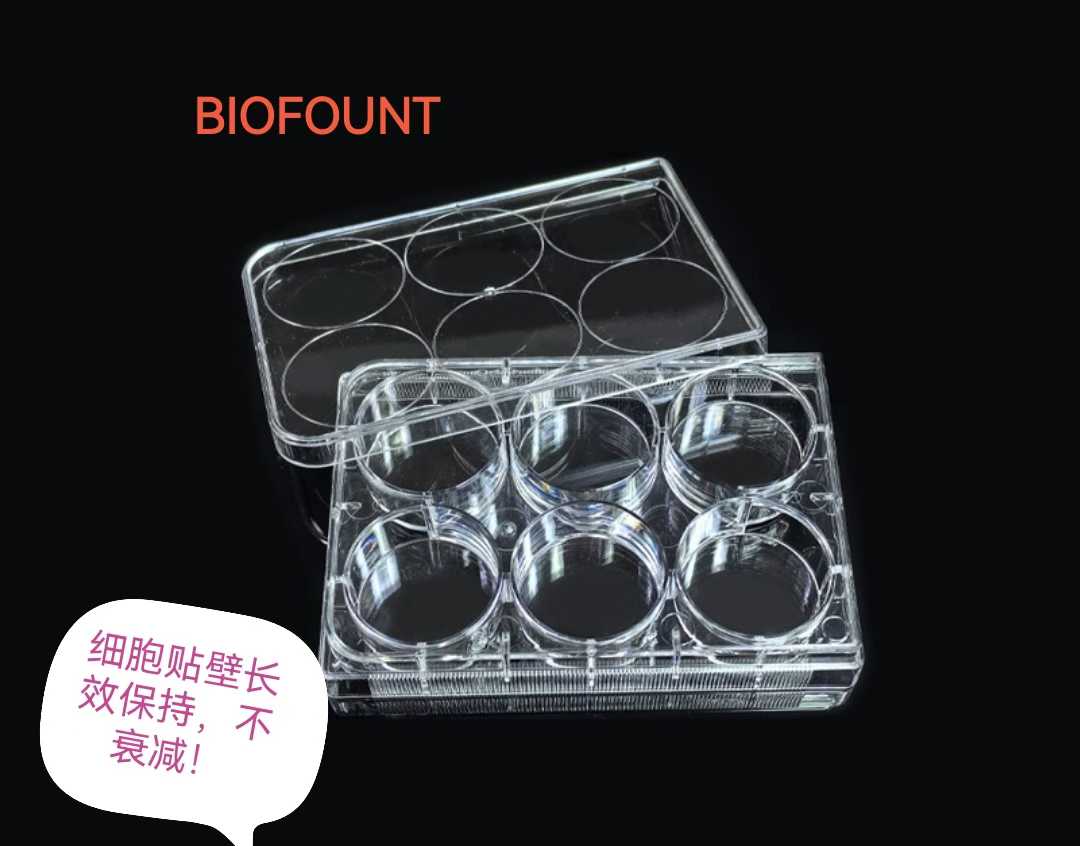
细胞培养耗材关键性能
细胞培养板的水接触角作为表面润湿性的核心指标,直接影响细胞贴壁、增殖、分化及功能表达,其中40°(低接触角/...
2026/4/28 14:52:44
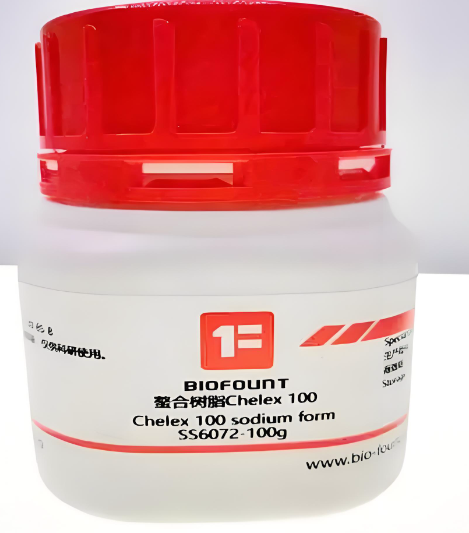
chelex 100树脂国产替代之路-BIOFOUNT范德生物
Chelex 100螯合离子交换树脂对铜、铁和其他重金属?的偏好显著高于对钠、钾等一价阳离子的偏好。它对二价...
2025/11/4 14:22:46
9月开学季——助研新学期 范德送好礼
2025/8/28 15:30:55

Waxfilm 实验室封口膜:技术与国际市场的双重突破
在实验室耗材领域,封口膜是保障实验准确性与稳定性的关键产品之一。近年来,Waxfilm?实验室封口膜凭借其卓...
2025/5/13 13:03:40
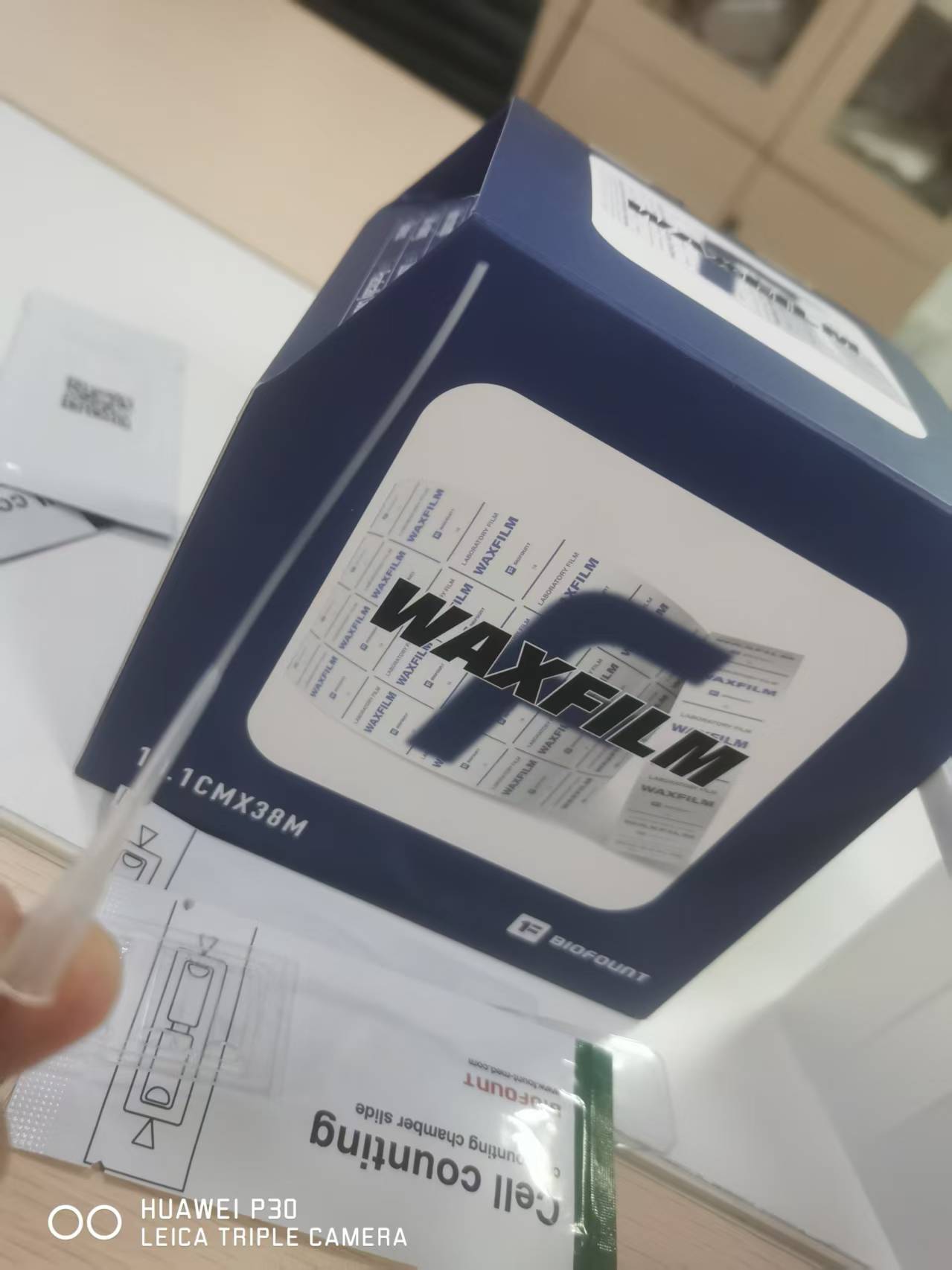
Waxfilm实验室封口膜的5大突破
Waxfilm实验室封口膜作为生物功能膜领域的国产技术突破和品牌突破,是生物领域中国技术发展的缩影。
2025/5/6 17:02:07
各种微流控芯片键合方法的优缺点
微流控芯片键合:目前主要有激光焊接、热压键合、胶键合、超音波焊接,每种方法都有各自的优缺点。本文主要介绍聚酯...
2023/7/28 10:43:09
新一代微流控键合解决方案
微流控键合解决方案:微流控芯片制造的一个重要环节,也是最容易被忽视的--芯片键合。其中一个重要因素是:微流控...
2023/7/27 12:44:28