
 购物车
购物车 
-
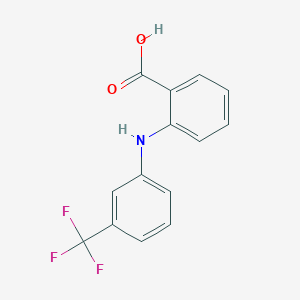
氟灭酸
NMR and HPLC COA下载 MSDS下载 - Names:
Flufenamic Acid
- CAS号:
530-78-9
MDL Number: - MF(分子式): C14H10F3NO2 MW(分子量): 281.23
- EINECS:208-494-1 Reaxys Number:
- Pubchem ID: Brand:BIOFOUNT
| 货品编码 | 规格 | 纯度 | 价格 (¥) | 现价(¥) | 特价(¥) | 库存描述 | 数量 | 总计 (¥) |
|---|---|---|---|---|---|---|---|---|
| YZM000774-200mg | 200mg | 99.9% | ¥ 0.00 | ¥ 0.00 | Backorder | ¥ 0.00 | ||
| YZM000774-100mg | 100mg | 99.9% | ¥ 480.00 | ¥ 480.00 | 1-3天 | ¥ 0.00 |
| 中文别名 | 氟灭酸(Flufenamic Acid,530-78-9) |
| 英文别名 | Flufenamic Acid(氟灭酸,530-78-9) |
| CAS号 | 530-78-9 |
| Inchi | InChI=1S/C14H10F3NO2/c15-14(16,17)9-4-3-5-10(8-9)18-12-7-2-1-6-11(12)13(19)20/h1-8,18H,(H,19,20) |
| InchiKey | LPEPZBJOKDYZAD-UHFFFAOYSA-N |
| 分子式 Molecular Weight | C14H10F3NO2 |
| 分子量 Formula | 281.23 |
| 溶解度Solubility | Soluble to DMSO |
| 性状 | Crystalline Powder or Chunks |
| 储藏条件 Storage conditions | Refrigerator |
| 生物 | 测试类型 | 路线 | 报告剂量(标准化剂量) | 影响 | 参考 |
| guinea pig | LD50 | oral | 925mg/kg (925mg/kg) | Pharmacology: International Journal of Experimental and Clinical Pharmacology. Vol. 11, Pg. 220, 1974. | |
| mouse | LD50 | intramuscular | 500mg/kg (500mg/kg) | Pharmaceutical Chemistry Journal Vol. 17, Pg. 353, 1983. | |
| mouse | LD50 | intraperitoneal | 150mg/kg (150mg/kg) | National Technical Information Service. Vol. AD691-490, | |
| mouse | LD50 | intravenous | 158mg/kg (158mg/kg) | Yakugaku Zasshi. Journal of Pharmacy. Vol. 89, Pg. 1392, 1969. | |
| mouse | LD50 | oral | 490mg/kg (490mg/kg) | BEHAVIORAL: CHANGES IN MOTOR ACTIVITY (SPECIFIC ASSAY) LUNGS, THORAX, OR RESPIRATION: RESPIRATORY DEPRESSION BEHAVIORAL: ATAXIA |
Oyo Yakuri. Pharmacometrics. Vol. 16, Pg. 1011, 1978. |
| mouse | LD50 | subcutaneous | 620mg/kg (620mg/kg) | BEHAVIORAL: ANTIPSYCHOTIC GASTROINTESTINAL: "HYPERMOTILITY, DIARRHEA" |
Oyo Yakuri. Pharmacometrics. Vol. 18, Pg. 845, 1979. |
| rat | LD50 | intraperitoneal | 185mg/kg (185mg/kg) | BEHAVIORAL: ATAXIA BEHAVIORAL: CHANGES IN MOTOR ACTIVITY (SPECIFIC ASSAY) LUNGS, THORAX, OR RESPIRATION: RESPIRATORY DEPRESSION |
Oyo Yakuri. Pharmacometrics. Vol. 16, Pg. 1011, 1978. |
| rat | LD50 | intravenous | 98mg/kg (98mg/kg) | Current Medical Research and Opinion. Vol. 4, Pg. 17, 1976. | |
| rat | LD50 | oral | 249mg/kg (249mg/kg) | Archives Internationales de Pharmacodynamie et de Therapie. Vol. 221, Pg. 132, 1976. | |
| rat | LD50 | subcutaneous | 280mg/kg (280mg/kg) | Oyo Yakuri. Pharmacometrics. Vol. 18, Pg. 845, 1979. | |
| rat | LD50 | subcutaneous | 280mg/kg (280mg/kg) | GASTROINTESTINAL: "HYPERMOTILITY, DIARRHEA" BEHAVIORAL: ANTIPSYCHOTIC |
Oyo Yakuri. Pharmacometrics. Vol. 18, Pg. 845, 1979. |
| women | TDLo | oral | 2160mg/kg/26W (2160mg/kg) | GASTROINTESTINAL: "HYPERMOTILITY, DIARRHEA" | Postgraduate Medical Journal. Vol. 62, Pg. 773, 1986. |
氟灭酸(Flufenamic Acid,530-78-9)物理性质:
| 物理属性 | 值 | 单位 | 温度(摄氏度) | 资源 |
| Melting Point | 133.5 | deg C | EXP | |
| log P (octanol-water) | 5.25 | (none) | EXP | |
| Water Solubility | 9.09 | mg/L | 25 | EXP |
| Vapor Pressure | 1.95E-06 | mm Hg | 25 | EST |
| Henry's Law Constant | 1.84E-10 | atm-m3/mole | 25 | EST |
| Atmospheric OH Rate Constant | 7.70E-11 | cm3/molecule-sec | 25 | EST |
氟灭酸(Flufenamic Acid,530-78-9)实验注意事项:
1.实验前需戴好防护眼镜,穿戴防护服和口罩,佩戴手套,避免与皮肤接触。
2.实验过程中如遇到有毒或者刺激性物质及有害物质产生,必要时实验操作需要手套箱内完成以免对实验人员造成伤害
3.实验后产生的废弃物需分类存储,并交于专业生物废气物处理公司处理,以免造成环境污染
Experimental considerations:
1. Wear protective glasses, protective clothing and masks, gloves, and avoid contact with the skin during the experiment.
2. The waste generated after the experiment needs to be stored separately, and handed over to a professional biological waste gas treatment company to avoid environmental pollution.
Tag:氟灭酸(MSDS,氟灭酸(蒸汽压,氟灭酸(合成,氟灭酸(标准,氟灭酸(应用,氟灭酸(合成,氟灭酸(沸点,氟灭酸(闪点,氟灭酸(用途,氟灭酸(溶解度,氟灭酸(价格,氟灭酸(作用,氟灭酸(结构式,氟灭酸(用处,氟灭酸(毒理性质,氟灭酸(物理性质)
| 产品说明 | 氟灭酸(Flufenamic Acid,530-78-9):氟苯那酸是由带有N-(三氟甲基)苯基取代基的邻氨基苯甲酸组成的芳族氨基酸。 |
| Introduction | Flufenamic Acid(530-78-9):Flufenamic acid is an aromatic amino acid consisting of anthranilic acid carrying an N-(trifluoromethyl)phenyl substituent. |
| Application1 | 氟灭酸(Flufenamic Acid,530-78-9)An anthranilic acid derivative with analgesic, anti-inflammatory, and antipyretic properties. It is used in musculoskeletal and joint disorders and administered by mouth a |
| Application2 | |
| Application3 |
| 警示图 | |
| 危险性 | warning |
| 危险性警示 | Not available |
| 安全声明 | H303吞入可能有害+H313皮肤接触可能有害+H333吸入可能对身体有害 |
| 安全防护 | P264处理后彻底清洗+P280戴防护手套/穿防护服/戴防护眼罩/戴防护面具+P305如果进入眼睛+P351用水小心冲洗几分钟+P338取出隐形眼镜(如果有)并且易于操作,继续冲洗+P337如果眼睛刺激持续+P313获得医疗建议/护理 |
| 备注 | Flufenamic Acid实验过程中防止吸入、食入,做好安全防护 |
| Stimulatory Effects of Soluplus? on Flufenamic Acid β-Cyclodextrin Supramolecular Complex: Physicochemical Characterization and Pre-clinical Anti-inflammatory Assessment AAPS PharmSciTe/PMID: 32430787 |
| Additive-Induced Metastable Single Crystal of Mefenamic Acid Pharmaceutical Research 2006/PMID: 16927183 |
| Inhibition of eryptosis and intraerythrocytic growth of Plasmodium falciparum by flufenamic acid Naunyn-Schmiedeberg's Archives of Pharmacology 2006/PMID: 17180616 |
| Modulation of Glutamate and Glycine Transporters by Niflumic, Flufenamic and Mefenamic Acids Neurochemical Research 2009/PMID: 19444608 |
| Aminoethoxydiphenyl Borate and Flufenamic Acid Inhibit Ca2+ Influx Through TRPM2 Channels in Rat Dorsal Root Ganglion Neurons Activated by ADP-Ribose and Rotenone The Journal of Membran/PMID: 21509529 |
Protection of normal cells from irradiation bystander effects by silica-flufenamic acid nanoparticles
Abstract
The development of a myriad of nanoparticles types has opened new possibilities for the diagnostics and treatment of many diseases, especially for cancer. However, most of the researches done so far do not focus on the protection of normal cells surrounding a tumor from irradiation bystander effects that might lead to cancer recurrence. Gap-junctions are known to be involved in this process, which leads to genomic instability of neighboring normal cells, and flufenamic acid (FFA) is included in a new group of gap-junction blockers recently discovered. The present work explores the use of mesoporous silica nanoparticles MCM-41 functionalized with 3-Aminopropyltriethoxysilane (APTES) for anchoring the flufenamic acid for its prolonged and controlled release and protection from radiation bystander effects. MCM-41 and functionalized samples were structurally and chemically characterized with multiple techniques. The biocompatibility of all samples was tested in a live/dead assay performed in cultured MRC-5 and HeLa cells. HeLa cells cultured were exposed to 50 Gy of gamma-rays and the media transferred to fibroblast cells cultured separately. Our results show that MCM-41 and functionalized samples have high biocompatibility with MCR-5 and HeLa cells, and most importantly, the FFA delivered by these NPs was able to halt apoptosis, one of main bystander effects.
Rabbit dehydrogenase/reductase SDR family member 11 (DHRS11): Its identity with acetohexamide reductase with broad substrate specificity and inhibitor sensitivity, different from human DHRS11
Abstract
Human dehydrogenase/reductase SDR family member 11 (DHRS11) has been recently reported to be an NADP+-dependent 3(17)β-hydroxysteroid dehydrogenase, and its orthologs are predicted in genomic analyses of various animals. Among them, the amino acid sequence of predicted rabbit DHRS11 shares 92% identity with that of human DHRS11 and matches peptide sequences (composed of total 87 amino acids) of rabbit heart acetohexamide reductase (RHAR) previously reported. However, the physiological role of RHAR remains unknown, because its known substrates are only acetohexamide and 1,4-naphthoquinone. To elucidate whether the two rabbit enzymes are identical, we have isolated the cDNA for rabbit DHRS11, which was abundantly detected in the brain, heart, kidney and intestine by RT-PCR. The recombinant rabbit DHRS11 reduced acetohexamide and 1,4-naphthoquinone, and was inhibited by tolbutamide and phenobarbital (RHAR-specific inhibitors), demonstrating its identity with RHAR. Rabbit DHRS11 also reduced α-dicarbonyl compounds, aldehydes and aromatic ketones (acetylbenzenes and acetylpyridines), and exhibited 3(17)β-hydroxysteroid dehydrogenase activity. It was competitively inhibited not only by tolbutamide and phenobarbital, but also more potently by several non-steroidal anti-inflammatory drugs such as diclofenac and sulindac. The broad substrate specificity and inhibitor sensitivity were different from those of human DHRS11, which did not reduce aliphatic aldehydes and aromatic ketones despite its higher 3(17)β-hydroxysteroid dehydrogenase activity, and was insensitive to tolbutamide, phenobarbital and diclofenac. The site-directed mutagenesis of Thr163 and Val200 in human DHRS11 to the corresponding residues (Gly and Leu, respectively) in rabbit DHRS11 suggested that these residues are pertinent to the differences in properties of rabbit and human DHRS11s.
- 相关产品
-
< >
- 推荐产品
-
< >
- 最新产品
-
< >
新闻
怎么做细胞爬片免疫组化染色实验
细胞爬片免疫组化染色,是通过细胞爬片是让玻片浸在细胞培养基内,细胞在玻片上生长,主要用于组织学,免疫组织化学...
2020/7/20 22:04:33
提取病毒RNA的实验方法
提取病毒RNA方法分别有:异硫氰酸胍的提取病毒RNA方法、TRIzol LS提取法、Trizol法提取法等等...
2020/7/22 20:29:26
细胞培养耗材技术领先性
细胞培养板行业面临的核心痛点是:常规TC处理后表面亲水角随时间衰减,影响长期培养稳定性,BIOFOUNT高分...
2026/4/28 15:12:51
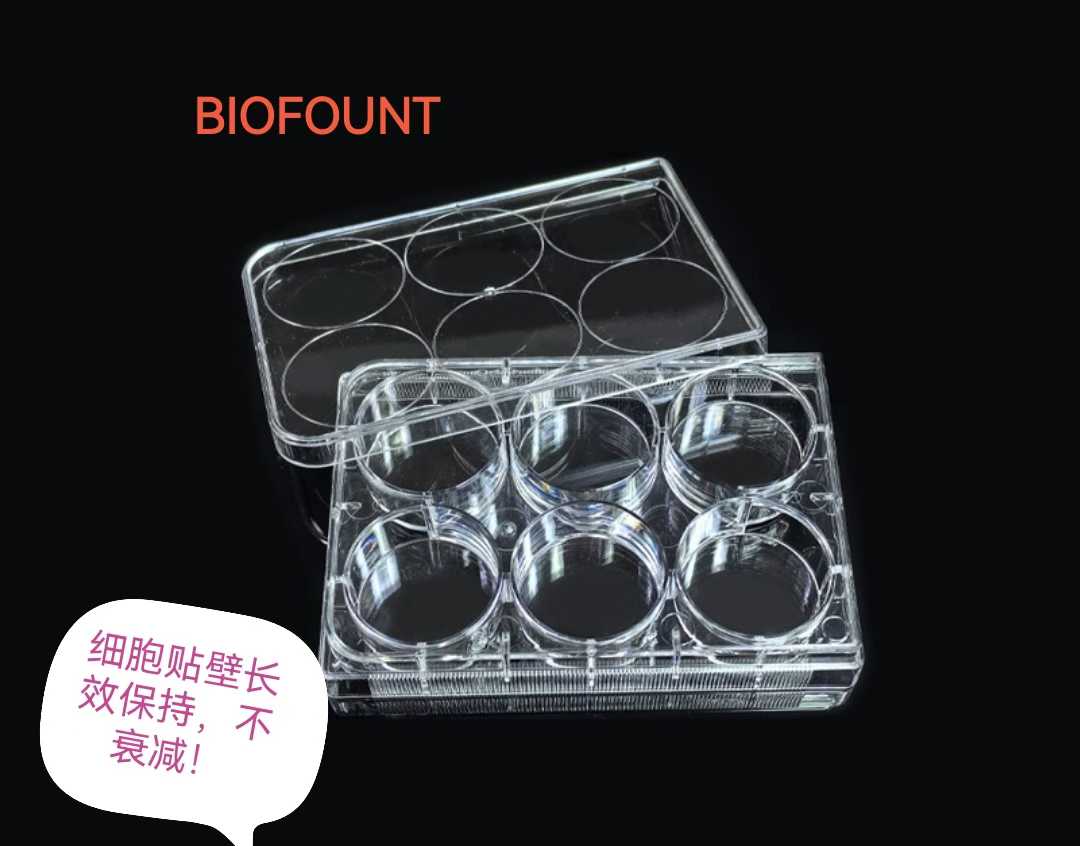
细胞培养耗材关键性能
细胞培养板的水接触角作为表面润湿性的核心指标,直接影响细胞贴壁、增殖、分化及功能表达,其中40°(低接触角/...
2026/4/28 14:52:44
chelex 100树脂国产替代之路-BIOFOUNT范德生物
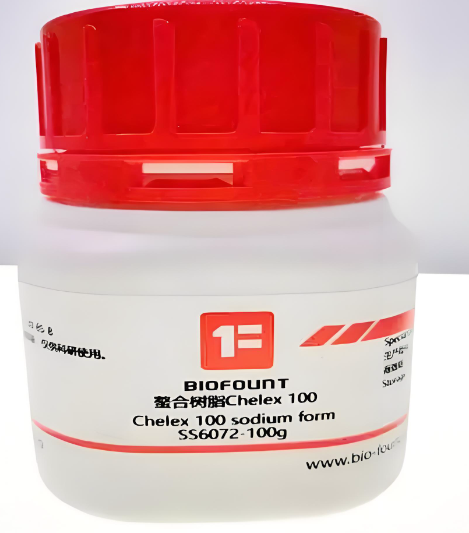
Chelex 100螯合离子交换树脂对铜、铁和其他重金属?的偏好显著高于对钠、钾等一价阳离子的偏好。它对二价...
2025/11/4 14:22:46
9月开学季——助研新学期 范德送好礼
2025/8/28 15:30:55

Waxfilm 实验室封口膜:技术与国际市场的双重突破
在实验室耗材领域,封口膜是保障实验准确性与稳定性的关键产品之一。近年来,Waxfilm?实验室封口膜凭借其卓...
2025/5/13 13:03:40
Waxfilm实验室封口膜的5大突破
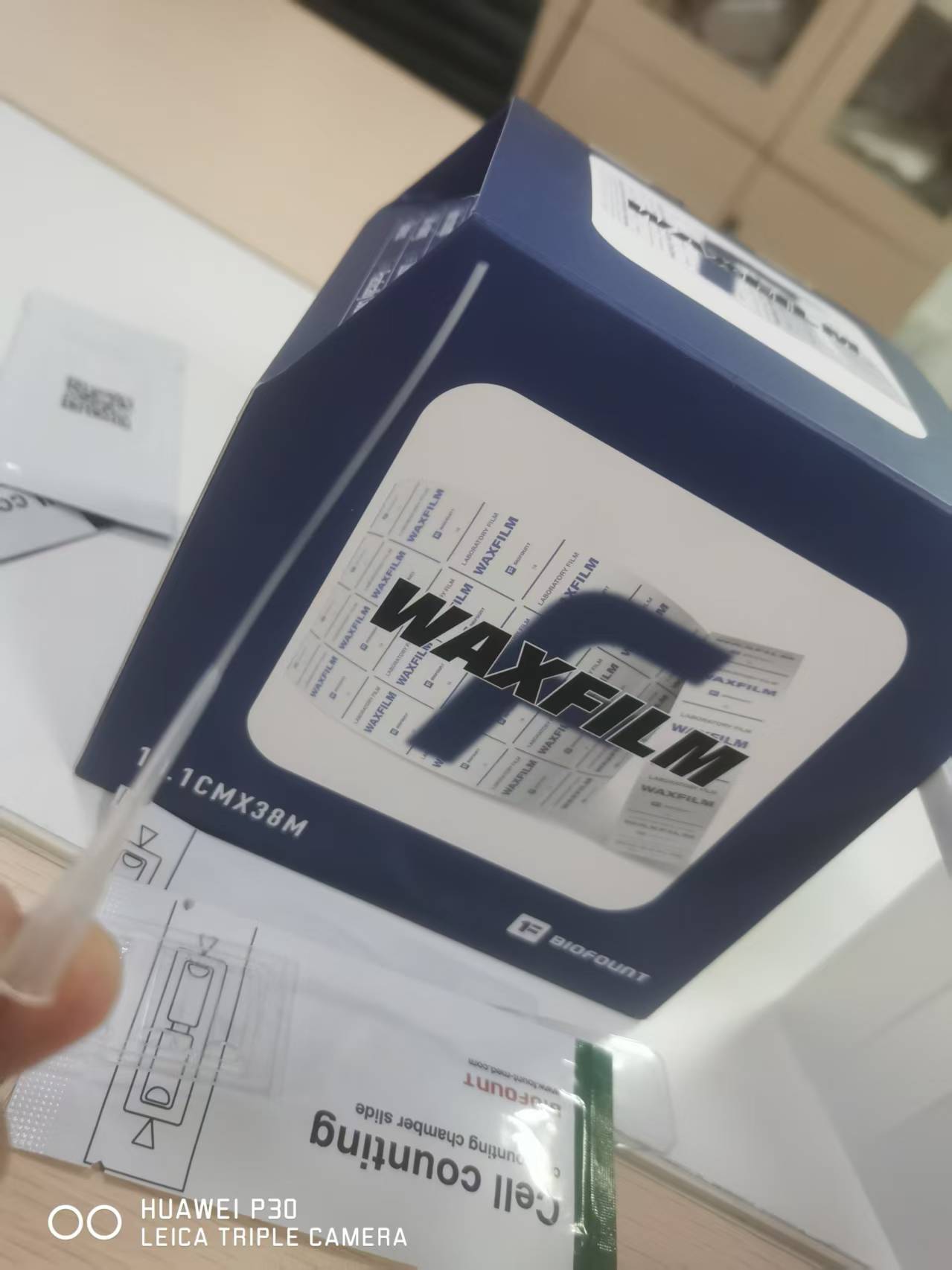
Waxfilm实验室封口膜作为生物功能膜领域的国产技术突破和品牌突破,是生物领域中国技术发展的缩影。
2025/5/6 17:02:07
各种微流控芯片键合方法的优缺点
微流控芯片键合:目前主要有激光焊接、热压键合、胶键合、超音波焊接,每种方法都有各自的优缺点。本文主要介绍聚酯...
2023/7/28 10:43:09
新一代微流控键合解决方案
微流控键合解决方案:微流控芯片制造的一个重要环节,也是最容易被忽视的--芯片键合。其中一个重要因素是:微流控...
2023/7/27 12:44:28