
 购物车
购物车 
-
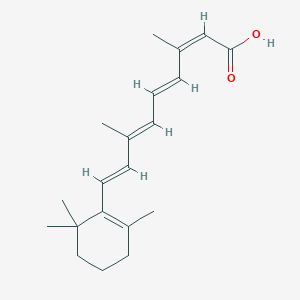
异维 A 酸
NMR and HPLC COA下载 MSDS下载 - Names:
Isotretinoin
- CAS号:
4759-48-2
MDL Number: MFCD00079542 - MF(分子式): C20H28O2 MW(分子量): 300.44
- EINECS:225-296-0 Reaxys Number:
- Pubchem ID: Brand:BIOFOUNT
异维 A 酸(Isotretinoin,4759-48-2)是天然存在的维甲酸,具有潜在的抗肿瘤活性。 异维A酸与核维甲酸受体(RARs)结合并活化。 激活的RARs作为促进细胞分化和凋亡的转录因子。 该剂还表现出免疫调节和抗炎反应,并抑制鸟氨酸脱羧酶,从而减少多胺的合成和角化作用。 异维A酸与许多类维生素A一样,可导致血清氨基转移酶水平升高,但与阿维A和维A酸不同。
| 货品编码 | 规格 | 纯度 | 价格 (¥) | 现价(¥) | 特价(¥) | 库存描述 | 数量 | 总计 (¥) |
|---|---|---|---|---|---|---|---|---|
| JT13392-1g | 1g | 99% | ¥ 206.67 | ¥ 206.67 | 153 | Instock,1days | ¥ 0.00 | |
| JT13392-25g | 25g | 99% | ¥ 2474.67 | ¥ 2474.67 | 1845 | Instock 1days | ¥ 0.00 | |
| JT13392-5g | 5g | 99% | ¥ 797.33 | ¥ 797.33 | 588 | Instock,1days | ¥ 0.00 |
| 中文别名 | 异维 A 酸(4759-48-2);3,7-二甲基-9-(2,6,6-三甲基环己烯)-2-顺,4-反,6-反,8-反式壬四烯酸; 异维 A 酸; 保肤灵; 异维A酸; 异维甲酸; 13-顺式维甲酸; 13-顺式视黄酸(异维A酸); (2Z,4E,6E,8E)-3,7-二甲基-9-(2,6,6-三甲基-1'环己烯-1-基)-2,4,6,8-壬四烯酸; 13-顺式维A酸; 泰尔丝; 异曲替酯 |
| 英文别名 | Isotretinoin(4759-48-2),13-cis-Retinoic acid, Accutane, Roaccutane, Neovitamin A acid, 13-cis-Vitamin A acid, 13-cis retinoic acid, Claravis, Amnesteem |
| CAS号 | 4759-48-2 |
| Inchi | InChI=1S/C20H28O2/c1-15(8-6-9-16(2)14-19(21)22)11-12-18-17(3)10-7-13-20(18,4)5/h6,8-9,11-12,14H,7,10,13H2,1-5H3,(H,21,22)/b9-6+,12-11+,15-8+,16-14- |
| InchiKey | SHGAZHPCJJPHSC-XFYACQKRSA-N |
| 分子式 Molecular Weight | C20H28O2 |
| 分子量 Formula | 300.44 |
| 溶解度Solubility | Soluble in chloroform (50 mg/ml), DMSO (60 mg/ml at 25 °C), water (<1 mg/ml at 25 °C), ethanol (25 mg/ml), and ether (sparingly). |
| 性状 | 淡黄色结晶粉末 |
| 储藏条件 Storage conditions | 储存温度 -20°C;充氩保存 |
异维 A 酸(Isotretinoin,4759-48-2)毒理性质:
异维 A 酸(Isotretinoin,4759-48-2)
异维 A 酸(4759-48-2)实验注意事项:
1.实验前需戴好防护眼镜,穿戴防护服和口罩,佩戴手套,避免与皮肤接触。
2.实验过程中如遇到有毒或者刺激性物质及有害物质产生,必要时实验操作需要手套箱内完成以免对实验人员造成伤害。
3.取样品的移液枪头需及时更换,必要时为避免交叉污染尽可能选择滤芯吸头。
4.称量药品时选用称量纸,并无风处取药和称量以免扬撒,试剂的容器使用前务必确保干净,并消毒。
5.取药品时尽量采用多个药勺分别使用,使用后清洗干净后,烘干消毒存放。
6.实验后产生的废弃物需分类存储,并交于专业生物废气物处理公司处理,以免造成环境污染。
Experimental considerations:
1. Wear protective glasses, protective clothing and masks, gloves, and avoid contact with the skin during the experiment.
2. The waste generated after the experiment needs to be stored separately, and handed over to a professional biological waste gas treatment company to avoid environmental pollution.
Tag:异维 A 酸蒸汽压,异维 A 酸合成,异维 A 酸标准,异维 A 酸应用,异维 A 酸合成,异维 A 酸沸点,异维 A 酸闪点,异维 A 酸用途,异维 A 酸溶解度,异维 A 酸价格,异维 A 酸作用,异维 A 酸结构式,异维 A 酸用处
| Measurement | System | Route/Organism | Dose | Effect |
|---|---|---|---|---|
| Mutation Data | other mutation test systems | embryo/human | 25 µmol/L | |
| Mutation Data | sister chromatid exchange | lymphocyte/human | 50 µmol/L | |
| Reproductive Effects | intraperitoneal/rat | 80 mg/kg (8D pregnant) | Reproductive: Specific developmental abnormalities: Central nervous system; Reproductive: Specific developmental abnormalities: Body wall; Reproductive: Specific developmental abnormalities: Cardiovascular (circulatory) system | |
| Reproductive Effects | oral/mouse | 200 mg/kg (12D pregnant) | Reproductive: Specific developmental abnormalities: Craniofacial (including nose and tongue) | |
| Reproductive Effects | oral/mouse | 200 mg/kg (11D pregnant) | Reproductive: Specific developmental abnormalities: Musculoskeletal system | |
| Reproductive Effects | oral/mouse | 200 mg/kg (7D pregnant) | Reproductive: Effects on fertility: Post- implantation mortality (e.g., dead and/or resorbed implants per total number of implants); Reproductive: Specific developmental abnormalities: Eye, ear | |
| Reproductive Effects | oral/mouse | 200 mg/kg (8D pregnant) | Reproductive: Effects on fertility: Litter size (e.g., # fetuses per litter; measured before birth); Reproductive: Specific developmental abnormalities: Central nervous system; Reproductive: Specific developmental abnormalities: Eye, ear | |
| Reproductive Effects | oral/monkey | 50 mg/kg (10-27D pregnant) | Reproductive: Specific developmental abnormalities: Eye, ear; Reproductive: Specific developmental abnormalities: Endocrine system | |
| Reproductive Effects | oral/monkey | 35 mg/kg (16-27D pregnant) | Reproductive: Specific developmental abnormalities: Craniofacial (including nose and tongue) | |
| Reproductive Effects | oral/monkey | 47500 µg/kg (10-24D pregnant) | Reproductive: Specific developmental abnormalities: Eye, ear; Reproductive: Specific developmental abnormalities: Craniofacial (including nose and tongue) | |
| Reproductive Effects | oral/monkey | 35 mg/kg (16-27D pregnant) | Reproductive: Specific developmental abnormalities: Eye, ear | |
| Reproductive Effects | oral/monkey | 70 mg/kg (12-25D pregnant) | Reproductive: Other effects to embryo or fetus | |
| Reproductive Effects | oral/rabbit | 60 mg/kg (8-11D pregnant) | Reproductive: Effects on fertility: Pre- implantation mortality (e.g., reduction in number of implants per female; total number of implants per corpora lutea); Reproductive: Other effects to embryo or fetus | |
| Reproductive Effects | oral/hamster | 25 mg/kg (8D pregnant) | Reproductive: Effects on embryo or fetus: Fetotoxicity (except death, e.g., stunted fetus); Reproductive: Specific developmental abnormalities: Central nervous system; Reproductive: Specific developmental abnormalities: Craniofacial (including nose and tongue) | |
| Reproductive Effects | oral/hamster | 25 mg/kg (8D pregnant) | Reproductive: Specific developmental abnormalities: Musculoskeletal system; Reproductive: Specific developmental abnormalities: Gastrointestinal system |
异维 A 酸(Isotretinoin,4759-48-2)
异维 A 酸(4759-48-2)实验注意事项:
1.实验前需戴好防护眼镜,穿戴防护服和口罩,佩戴手套,避免与皮肤接触。
2.实验过程中如遇到有毒或者刺激性物质及有害物质产生,必要时实验操作需要手套箱内完成以免对实验人员造成伤害。
3.取样品的移液枪头需及时更换,必要时为避免交叉污染尽可能选择滤芯吸头。
4.称量药品时选用称量纸,并无风处取药和称量以免扬撒,试剂的容器使用前务必确保干净,并消毒。
5.取药品时尽量采用多个药勺分别使用,使用后清洗干净后,烘干消毒存放。
6.实验后产生的废弃物需分类存储,并交于专业生物废气物处理公司处理,以免造成环境污染。
Experimental considerations:
1. Wear protective glasses, protective clothing and masks, gloves, and avoid contact with the skin during the experiment.
2. The waste generated after the experiment needs to be stored separately, and handed over to a professional biological waste gas treatment company to avoid environmental pollution.
Tag:异维 A 酸蒸汽压,异维 A 酸合成,异维 A 酸标准,异维 A 酸应用,异维 A 酸合成,异维 A 酸沸点,异维 A 酸闪点,异维 A 酸用途,异维 A 酸溶解度,异维 A 酸价格,异维 A 酸作用,异维 A 酸结构式,异维 A 酸用处
| 产品说明 | 异维 A 酸(Isotretinoin,4759-48-2)是天然存在的维甲酸,具有潜在的抗肿瘤活性。 |
| Introduction | Isotretinoin (异维 A 酸,4759-48-2)is a naturally-occurring retinoic acid with potential antineoplastic activity. |
| Application1 | 种维生素A衍生物,用于治疗严重痤疮和某些形式的皮肤,头颈癌。 异维A酸与许多类维生素A一样,可导致血清氨基转移酶水平升高 |
| Application2 | A vitamin A analog that inhibits cell proliferation. |
| Application3 |
| 警示图 | |
| 危险性 | warning |
| 危险性警示 | No data available |
| 安全声明 | H315-H319-H335-H360 |
| 安全防护 | P201-P261-P305 + P351 + P338-P308 + P313 |
| 备注 | 实验过程中防止吸入、食入,做好安全防护 |
| The most common pediatric and adult dermatology patient complaints in a month of the COVID-19 pandemic in Turkey Dermatologic therapy 2020-07-04 32621774 |
| In vitro and in vivo identification of clinically approved drugs that modify ACE2 expression Molecular systems biology 2020-07-01 32729248 |
| Could patients taking isotretinoin therapy be immune against SARS-CoV-2? Dermatologic therapy 2020-05-13 32406143 |
| Systemic isotretinoin therapy in the era of COVID-19 Dermatologic therapy 2020-05-01 32358858 |
| Alopecia areata not due by isotretinoin. A thought in COVID-19 time Dermatologic therapy 2020-04-22 32323454 |
1.Retinoids Repress Human Cardiovascular Cell Calcification With Evidence for Distinct Selective Retinoid Modulator Effects/PMID 31852220; Arteriosclerosis, thrombosis, and vascular biology 2020 03; 40(3):656-669/Name matches: retinoid 13-cis ra
Abstract:
Objective: Retinoic acid (RA) is a ligand for nuclear receptors that modulate gene transcription and cell differentiation. Whether RA controls ectopic calcification in humans is unknown. We tested the hypothesis that RA regulates osteogenic differentiation of human arterial smooth muscle cells and aortic valvular interstitial cells that participate in atherosclerosis and heart valve disease, respectively. Approach and Results: Human cardiovascular tissue contains immunoreactive RAR (RA receptor)-a retinoid-activated nuclear receptor directing multiple transcriptional programs. RA stimulation suppressed primary human cardiovascular cell calcification while treatment with the RAR inhibitor AGN 193109 or RARα siRNA increased calcification. RA attenuated calcification in a coordinated manner, increasing levels of the calcification inhibitor MGP (matrix Gla protein) while decreasing calcification-promoting TNAP (tissue nonspecific alkaline phosphatase) activity. Given that nuclear receptor action varies as a function of distinct ligand structures, we compared calcification responses to cyclic retinoids and the acyclic retinoid peretinoin. Peretinoin suppressed human cardiovascular cell calcification without inducing either secretion of APOC3 (apolipoprotein-CIII), which promotes atherogenesis, or reducing CYP7A1 (cytochrome P450 family 7 subfamily A member 1) expression, which occurred with cyclic retinoids all-trans RA, 9-cis RA, and 13-cis RA. Additionally, peretinoin did not suppress human femur osteoblast mineralization, whereas all-trans RA inhibited osteoblast mineralization.
Conclusions: These results establish retinoid regulation of human cardiovascular calcification, provide new insight into mechanisms involved in these responses, and suggest selective retinoid modulators, like acyclic retinoids may allow for treating cardiovascular calcification without the adverse effects associated with cyclic retinoids.
2.Oral isotretinoin and topical retinoid use in a series of young patients with ocular melanoma/PMID 32760850; American journal of ophthalmology case reports 2020 Sep; 19(?):100787/Name matches: retinoid isotretinoin
Abstract:
Purpose: To describe the first series of six young uveal melanoma (UM) patients with oral isotretinoin and/or topical retinoid therapy prior to diagnosis.
Observations: The case series is based on clinical observations at our UM quaternary referral center. Six UM patient cases are reported, ages 16-44 years old. All had been using either oral (isotretinoin) and/or topical (tretinoin or tazarotene) retinoid treatment (3 months-~10 years) prior to or at the time of diagnosis (3 of 6 cases). All patients had ocular complaints on presentation, and the onset of certain symptoms corresponded with the course of retinoids. Other potential risk factors or relevant history included Caucasian background, cone-rod dystrophy and active smoker status (Case 2), family history of UM and pregnancy at time of diagnosis (Case 3), past smoking and possible secondary Chernobyl exposure as a baby (Case 5). All patients were treated with proton beam radiotherapy and currently have no sign of recurrent or metastatic disease.
Conclusions and importance: Retinoid therapy has been linked to various benign and/or reversible effects on the anterior and posterior eye, though pathophysiology remains not well understood. Uveal melanoma (UM) is a rare cancer diagnosis in young adults. We report here the first case series of young UM patients with a history of retinoid use and ocular complaints. No causal link is claimed and further systematic epidemiologic and biologic study of retinoid therapy and ocular impact may provide additional relevant data, particularly in young ocular melanoma patients.
3.Assessment of auditory function and lipid levels in patients receiving oral isotretinoin (13-cis retinoid) therapy for acne vulgaris/PMID 32792876; Postepy dermatologii i alergologii 2020 Jun; 37(3):360-363/Name matches: retinoid isotretinoin
Abstract:
Introduction: Isotretinoin (13-cis retinoid) is a synthetic retinoid. It was approved by the FDA in 1982 for use of oral isotretinoin in severe acne. It is also used in moderate-severe acne that does not respond to conventional treatments. Isotretinoin is the only available drug that affects all stages of acne pathogenesis.
Aim: To prospectively investigate whether there is an effect of isotretinoin therapy on auditory function and, if so, to demonstrate its association with simultaneous blood lipid levels.
Material and methods: Thirty patients (60 ears) with acne vulgaris, who received 0.5 mg/kg of isotretinoin therapy, were included in the study. Distortion product otoacoustic emissions (DPOAEs) and pure tone audiometry tests were performed to evaluate auditory function at the beginning of the procedure and the 6th month of treatment. In addition, aspartate aminotransferase (AST), alanine aminotransferase (ALT), total cholesterol, triglyceride, high-density lipoproteins (HDL) and low-density lipoproteins (LDL) cholesterol levels were recorded.
Results: There was no statistically significant difference between pre-treatment and post-treatment mean pure tone audiometry threshold and DPOAE values; however, the increase in total blood cholesterol, triglyceride and LDL levels and the decrease in HDL levels were statistically significant.
Conclusions: According to our study findings, isotretinoin did not cause worsening of the bilateral hearing threshold, but increased blood lipid levels. There is no need for follow-up auditory functions in routine practice during therapy, but blood lipid levels should be monitored.
Abstract:
Objective: Retinoic acid (RA) is a ligand for nuclear receptors that modulate gene transcription and cell differentiation. Whether RA controls ectopic calcification in humans is unknown. We tested the hypothesis that RA regulates osteogenic differentiation of human arterial smooth muscle cells and aortic valvular interstitial cells that participate in atherosclerosis and heart valve disease, respectively. Approach and Results: Human cardiovascular tissue contains immunoreactive RAR (RA receptor)-a retinoid-activated nuclear receptor directing multiple transcriptional programs. RA stimulation suppressed primary human cardiovascular cell calcification while treatment with the RAR inhibitor AGN 193109 or RARα siRNA increased calcification. RA attenuated calcification in a coordinated manner, increasing levels of the calcification inhibitor MGP (matrix Gla protein) while decreasing calcification-promoting TNAP (tissue nonspecific alkaline phosphatase) activity. Given that nuclear receptor action varies as a function of distinct ligand structures, we compared calcification responses to cyclic retinoids and the acyclic retinoid peretinoin. Peretinoin suppressed human cardiovascular cell calcification without inducing either secretion of APOC3 (apolipoprotein-CIII), which promotes atherogenesis, or reducing CYP7A1 (cytochrome P450 family 7 subfamily A member 1) expression, which occurred with cyclic retinoids all-trans RA, 9-cis RA, and 13-cis RA. Additionally, peretinoin did not suppress human femur osteoblast mineralization, whereas all-trans RA inhibited osteoblast mineralization.
Conclusions: These results establish retinoid regulation of human cardiovascular calcification, provide new insight into mechanisms involved in these responses, and suggest selective retinoid modulators, like acyclic retinoids may allow for treating cardiovascular calcification without the adverse effects associated with cyclic retinoids.
2.Oral isotretinoin and topical retinoid use in a series of young patients with ocular melanoma/PMID 32760850; American journal of ophthalmology case reports 2020 Sep; 19(?):100787/Name matches: retinoid isotretinoin
Abstract:
Purpose: To describe the first series of six young uveal melanoma (UM) patients with oral isotretinoin and/or topical retinoid therapy prior to diagnosis.
Observations: The case series is based on clinical observations at our UM quaternary referral center. Six UM patient cases are reported, ages 16-44 years old. All had been using either oral (isotretinoin) and/or topical (tretinoin or tazarotene) retinoid treatment (3 months-~10 years) prior to or at the time of diagnosis (3 of 6 cases). All patients had ocular complaints on presentation, and the onset of certain symptoms corresponded with the course of retinoids. Other potential risk factors or relevant history included Caucasian background, cone-rod dystrophy and active smoker status (Case 2), family history of UM and pregnancy at time of diagnosis (Case 3), past smoking and possible secondary Chernobyl exposure as a baby (Case 5). All patients were treated with proton beam radiotherapy and currently have no sign of recurrent or metastatic disease.
Conclusions and importance: Retinoid therapy has been linked to various benign and/or reversible effects on the anterior and posterior eye, though pathophysiology remains not well understood. Uveal melanoma (UM) is a rare cancer diagnosis in young adults. We report here the first case series of young UM patients with a history of retinoid use and ocular complaints. No causal link is claimed and further systematic epidemiologic and biologic study of retinoid therapy and ocular impact may provide additional relevant data, particularly in young ocular melanoma patients.
3.Assessment of auditory function and lipid levels in patients receiving oral isotretinoin (13-cis retinoid) therapy for acne vulgaris/PMID 32792876; Postepy dermatologii i alergologii 2020 Jun; 37(3):360-363/Name matches: retinoid isotretinoin
Abstract:
Introduction: Isotretinoin (13-cis retinoid) is a synthetic retinoid. It was approved by the FDA in 1982 for use of oral isotretinoin in severe acne. It is also used in moderate-severe acne that does not respond to conventional treatments. Isotretinoin is the only available drug that affects all stages of acne pathogenesis.
Aim: To prospectively investigate whether there is an effect of isotretinoin therapy on auditory function and, if so, to demonstrate its association with simultaneous blood lipid levels.
Material and methods: Thirty patients (60 ears) with acne vulgaris, who received 0.5 mg/kg of isotretinoin therapy, were included in the study. Distortion product otoacoustic emissions (DPOAEs) and pure tone audiometry tests were performed to evaluate auditory function at the beginning of the procedure and the 6th month of treatment. In addition, aspartate aminotransferase (AST), alanine aminotransferase (ALT), total cholesterol, triglyceride, high-density lipoproteins (HDL) and low-density lipoproteins (LDL) cholesterol levels were recorded.
Results: There was no statistically significant difference between pre-treatment and post-treatment mean pure tone audiometry threshold and DPOAE values; however, the increase in total blood cholesterol, triglyceride and LDL levels and the decrease in HDL levels were statistically significant.
Conclusions: According to our study findings, isotretinoin did not cause worsening of the bilateral hearing threshold, but increased blood lipid levels. There is no need for follow-up auditory functions in routine practice during therapy, but blood lipid levels should be monitored.
对不起,暂无产品评价!
MSDS
SDS 1.0 中文
展开
SDS 1.0 英文
展开
- 相关产品
-
< >
- 推荐产品
-
< >
- 最新产品
-
< >
新闻
怎么做细胞爬片免疫组化染色实验
细胞爬片免疫组化染色,是通过细胞爬片是让玻片浸在细胞培养基内,细胞在玻片上生长,主要用于组织学,免疫组织化学...
2020/7/20 22:04:33
提取病毒RNA的实验方法
提取病毒RNA方法分别有:异硫氰酸胍的提取病毒RNA方法、TRIzol LS提取法、Trizol法提取法等等...
2020/7/22 20:29:26
细胞培养耗材技术领先性
细胞培养板行业面临的核心痛点是:常规TC处理后表面亲水角随时间衰减,影响长期培养稳定性,BIOFOUNT高分...
2026/4/28 15:12:51
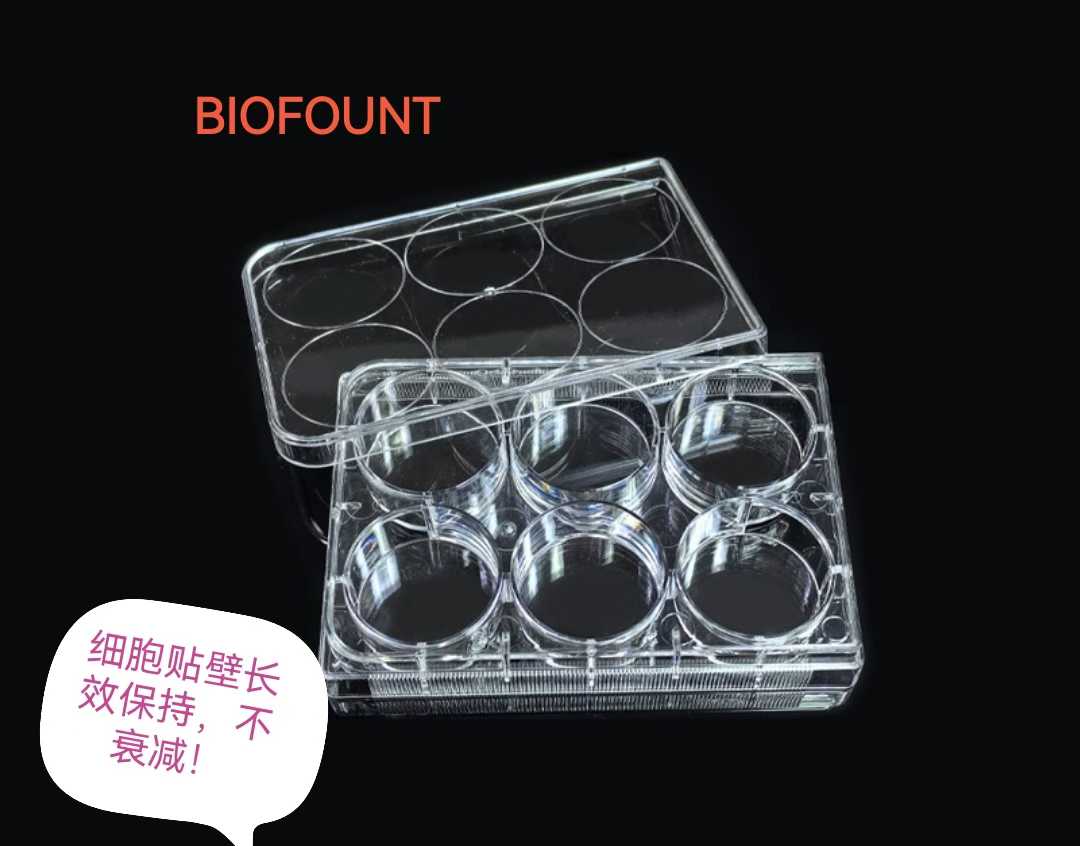
细胞培养耗材关键性能
细胞培养板的水接触角作为表面润湿性的核心指标,直接影响细胞贴壁、增殖、分化及功能表达,其中40°(低接触角/...
2026/4/28 14:52:44
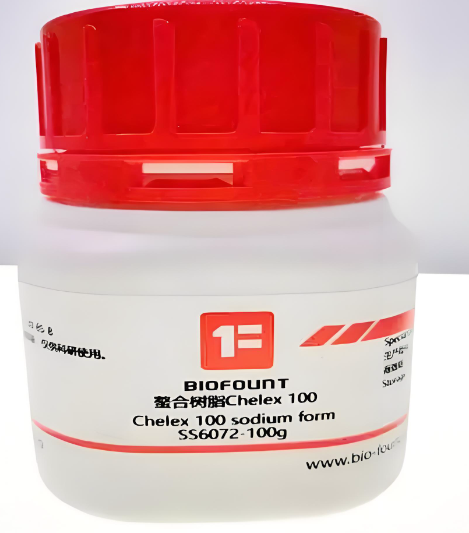
chelex 100树脂国产替代之路-BIOFOUNT范德生物
Chelex 100螯合离子交换树脂对铜、铁和其他重金属?的偏好显著高于对钠、钾等一价阳离子的偏好。它对二价...
2025/11/4 14:22:46

9月开学季——助研新学期 范德送好礼
2025/8/28 15:30:55

Waxfilm 实验室封口膜:技术与国际市场的双重突破
在实验室耗材领域,封口膜是保障实验准确性与稳定性的关键产品之一。近年来,Waxfilm?实验室封口膜凭借其卓...
2025/5/13 13:03:40
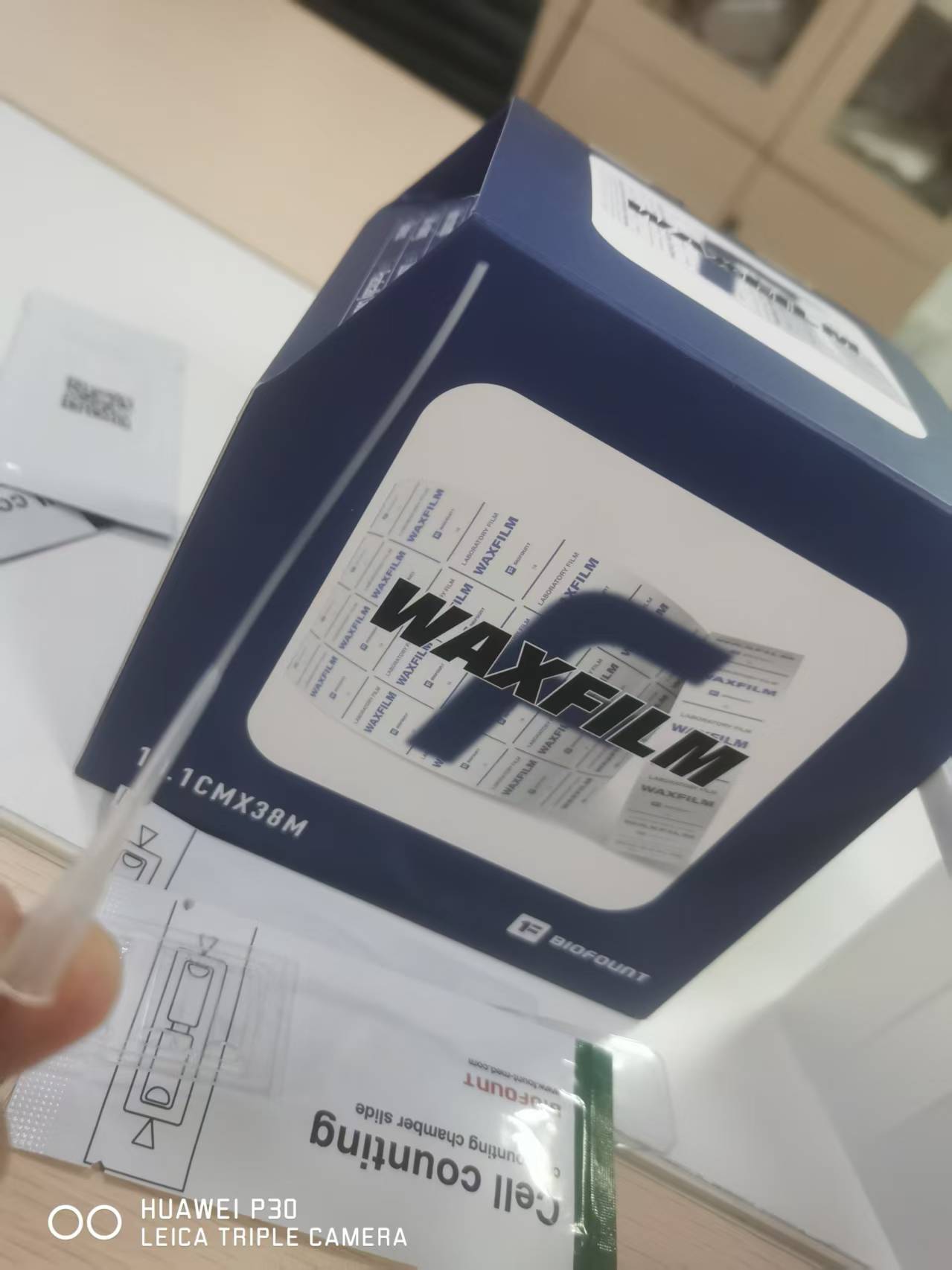
Waxfilm实验室封口膜的5大突破
Waxfilm实验室封口膜作为生物功能膜领域的国产技术突破和品牌突破,是生物领域中国技术发展的缩影。
2025/5/6 17:02:07
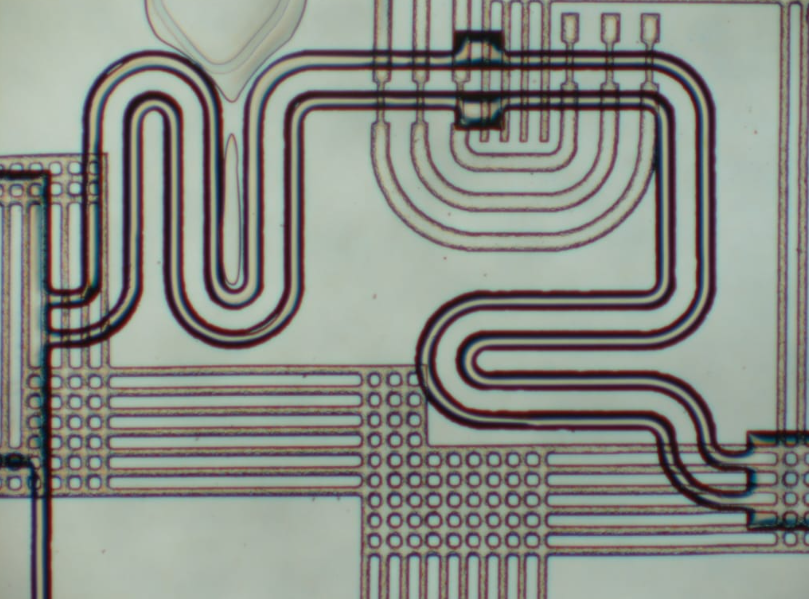
各种微流控芯片键合方法的优缺点
微流控芯片键合:目前主要有激光焊接、热压键合、胶键合、超音波焊接,每种方法都有各自的优缺点。本文主要介绍聚酯...
2023/7/28 10:43:09

新一代微流控键合解决方案
微流控键合解决方案:微流控芯片制造的一个重要环节,也是最容易被忽视的--芯片键合。其中一个重要因素是:微流控...
2023/7/27 12:44:28