
 购物车
购物车 
-
刺五加叶中
NMR and HPLC COA下载 MSDS下载 - Names:
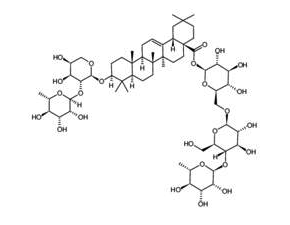
Hederasaponin B
- CAS号:
36284-77-2
MDL Number: MFCD16036216 - MF(分子式): C59H96O25 MW(分子量): 1205.38
- EINECS: Reaxys Number:
- Pubchem ID: Brand:BIOFOUNT
刺五加叶中(36284-77-2,Hederasaponin B) 抑制病毒 VP2 蛋白的表达,刺五加叶中可以提示病毒衣壳蛋白合成受到抑制。Hederasaponin B是从Heedera helix中分离的,刺五加叶中具有针对靶向病毒71(EV71)的各种亚型的广谱抗病毒活性。
| 货品编码 | 规格 | 纯度 | 价格 (¥) | 现价(¥) | 特价(¥) | 库存描述 | 数量 | 总计 (¥) |
|---|---|---|---|---|---|---|---|---|
| YZM000435-20mg | 20mg | >97% | ¥ 2379.00 | ¥ 2379.00 | Backorder | ¥ 0.00 | ||
| YZM000435-5mg | 5mg | >97% | ¥ 2500.00 | ¥ 2500.00 | 1-3天 | ¥ 0.00 |
| 中文别名 | 刺五加叶中(36284-77-2);常春藤皂苷B;刺五加叶提取物;刺五加叶中物;刺五加叶中;七皂甙B;七碳皂苷B;3β-(2-O-α-L-鼠李糖基-α-L-阿拉伯吡喃烷氧基)oleana-12-ene-28-油酸6-O-(4-O-α-L-鼠李糖基-β-D-吡喃葡萄糖基) -β-D-吡喃葡萄糖基酯;3β-[(2-O-α-L-鼠李糖基-α-L-阿拉伯吡喃糖基)氧基]油基-12-en-28-油酸6-O-(4-O-α-L-鼠李糖基-β-D -吡喃葡萄糖基)-β-D-吡喃葡萄糖基酯; 3β-[2-O-(α-L-鼠李糖基)-α-L-阿拉伯吡喃烷氧基] oleana-12-ene-28-油酸6-O- [4-O-(α-L-鼠李糖基)-β- D-吡喃葡萄糖基]-β-D-吡喃葡萄糖基酯;皂素PJ3; HEDERASAPONIN B(RG); (3beta)-3-[[[2-o-(6-deoxy-alpha-L-mannopyranosyl)-alpha-L-arabinopyranosyl] oxy] -Olean-12-en-28-oic acid O-6-deoxy-beta -L-甘露吡喃糖基-(1-4)-O-β-D-吡喃葡萄糖基-(1-6)-β-D-吡喃葡萄糖基酯; 芥子苷M; |
| 英文别名 | Hederasaponin B(36284-77-2);Hederasaponin B; 3β-(2-O-α-L-Rhamnopyranosyl-α-L-arabinopyranosyloxy)oleana-12-ene-28-oic acid 6-O-(4-O-α-L-rhamnopyranosyl-β-D-glucopyranosyl)-β-D-glucopyranosyl ester; 3β-[(2-O-α-L-Rhamnopyranosyl-α-L-arabinopyranosyl)oxy]olean-12-en-28-oic acid 6-O-(4-O-α-L-rhamnopyranosyl-β-D-glucopyranosyl)-β-D-glucopyranosyl ester; 3β-[2-O-(α-L-Rhamnopyranosyl)-α-L-arabinopyranosyloxy]oleana-12-ene-28-oic acid 6-O-[4-O-(α-L-rhamnopyranosyl)-β-D-glucopyranosyl]-β-D-glucopyranosyl ester; Saponin PJ3; HEDERASAPONIN B (RG); (3beta)-3-[[2-O-(6-Deoxy-alpha-L-mannopyranosyl)-alpha-L-arabinopyranosyl]oxy]-Olean-12-en-28-oic acid O-6-deoxy-beta-L-mannopyranosyl-(1-4)-O-beta-D-glucopyranosyl-(1-6)-beta-D-glucopyranosyl ester; Eleutheroside M; |
| CAS号 | 36284-77-2 |
| Inchi | InChI=1S/C59H96O25/c1-24-34(62)38(66)42(70)49(77-24)82-46-29(21-60)79-48(45(73)41(46)69)76-23-30-37(65)40(68)44(72)51(80-30)84-53(74)59-18-16-54(3,4)20-27(59)26-10-11-32-56(7)14-13-33(55(5,6)31(56)12-15-58(32,9)57(26,8)17-19-59)81-52-47(36(64)28(61)22-75-52)83-50-43(71)39(67)35(63)25(2)78-50/h10,24-25,27-52,60-73H,11-23H2,1-9H3/t24-,25-,27-,28-,29+,30+,31-,32+,33-,34-,35-,36-,37+,38+,39+,40-,41+,42+,43+,44+,45+,46+,47+,48+,49-,50-,51-,52-,56-,57+,58+,59-/m0/s1 |
| InchiKey | NVSLBOBPSCMMSO-BVLVEXITSA-N |
| 分子式 Molecular Weight | C59H96O25 |
| 分子量 Formula | 1205.38 |
| 溶解度Solubility | NA |
| 性状 | White powder |
| 储藏条件 Storage conditions | 请根据产品建议的存储条件进行存储,Please store the product under the recommended condition sin the description. |
刺五加叶中(36284-77-2,Hederasaponin B)实验注意事项:
1.实验前需戴好防护眼镜,穿戴防护服和口罩,佩戴手套,避免与皮肤接触。
2.实验过程中如遇到有毒或者刺激性物质及有害物质产生,必要时实验操作需要手套箱内完成以免对实验人员造成伤害。
3.取样品的移液枪头需及时更换,必要时为避免交叉污染尽可能选择滤芯吸头。
4.称量药品时选用称量纸,并无风处取药和称量以免扬撒,试剂的容器使用前务必确保干净,并消毒。
5.取药品时尽量采用多个药勺分别使用,使用后清洗干净后,烘干消毒存放。
6.实验后产生的废弃物需分类存储,并交于专业生物废气物处理公司处理,以免造成环境污染。
Experimental considerations:
1. Wear protective glasses, protective clothing and masks, gloves, and avoid contact with the skin during the experiment.
2. The waste generated after the experiment needs to be stored separately, and handed over to a professional biological waste gas treatment company to avoid environmental pollution.
Tags:刺五加叶中试剂,刺五加叶中杂质,刺五加叶中中间体,刺五加叶中密度,常刺五加叶中溶解度,刺五加叶中旋光度,刺五加叶中合成,刺五加叶中闪点,刺五加叶中熔点,

| 产品说明 | 刺五加叶中(36284-77-2,Hederasaponin B)仅做科学研究以及化学合成中间体使用,36284-77-2其他参数见主页 |
| Introduction | 刺五加叶中(36284-77-2,Hederasaponin B) used for scientific research and chemical synthesis intermediates |
| Application1 | |
| Application2 | |
| Application3 |
刺五加叶中(36284-77-2,Hederasaponin B)药理学:
刺五加叶中(36284-77-2,Hederasaponin B)抑制病毒VP2蛋白的表达,刺五加叶中可以提示病毒衣壳蛋白合成受到抑制。Hederasaponin B是从Heedera helix中分离的,刺五加叶中具有针对靶向病毒71(EV71)的各种亚型的广谱抗病毒活性。
刺五加叶中(36284-77-2,Hederasaponin B)抑制病毒VP2蛋白的表达,刺五加叶中可以提示病毒衣壳蛋白合成受到抑制。Hederasaponin B是从Heedera helix中分离的,刺五加叶中具有针对靶向病毒71(EV71)的各种亚型的广谱抗病毒活性。
| 警示图 | |
| 危险性 | warning |
| 危险性警示 | No data available |
| 安全声明 | H303吞入可能有害+H313皮肤接触可能有害+H333吸入可能对身体有害 |
| 安全防护 | P264处理后彻底清洗+P280戴防护手套/穿防护服/戴防护眼罩/戴防护面具+P305如果进入眼睛+P351用水小心冲洗几分钟+P338取出隐形眼镜(如果有)并且易于操作,继续冲洗+P337如果眼睛刺激持续+P313获得医疗建议/护理 |
| 备注 | 实验过程中防止吸入、食入,做好安全防护 |
| Song J, et al. Antiviral Activity of Hederasaponin B from Hedera helix against Enterovirus 71 Subgenotypes C3 and C4a. Biomol Ther (Seoul). 2014 Jan;22(1):41-6. |
| Studies on the constituents of Clematis species. VI. The constituents of Clematis stans Sieb. et Zucc PMID 8582022; Chemical & pharmaceutical bulletin 1995 Dec; 43(12):2187-94 Name matches: lpha heder |
| Application of linear gradient elution in countercurrent chromatography for the separation of triterpenoid saponins from the roots of Pulsatilla koreana Nakai PMID 28544207; Journal of separation scie |
| Studies on the constituents of Clematis species. VI. The constituents of Clematis stans Sieb. et Zucc PMID 8582022; Chemical & pharmaceutical bulletin 1995 Dec; 43(12):2187-94 Name matches: oleanolic |
| Biologically active triterpenoid saponins from Acanthopanax senticosus PMID 17125224; Journal of natural products 2006 Nov; 69(11):1577-81 Name matches: oleanolic acid hederasaponin b |
刺五加叶中(36284-77-2,Hederasaponin B)参考文献:
1、Crude triterpenoid saponins from Anemone flaccida (Di Wu) exert anti-arthritic effects on type II collagen-induced arthritis in rats
Qing Liu # 1 2, Xiu-Zhen Zhu # 1 2, Rui-Bing Feng # 1 2, Zhong Liu 3, Gui-Yang Wang 1 2, Xi-Feng Guan 1 2, Guo-Min Ou 1 2, Yao-Lan Li 1 2, Ying Wang 1 2, Man-Mei Li 1 2, Wen-Cai Ye
Abstract Background: Anemone flaccida Fr . Schmidt (Ranunculaceae) (Di Wu in Chinese) is used to treat punch injury and rheumatoid arthritis (RA). However, the active compounds and underlying mechanism of action mediating the anti-arthritic effects of A. flaccida remain unclear. This study aims to evaluate the underlying action mechanism of A. flaccida crude triterpenoid saponins (AFS) on RA using a type II collagen (CII)-induced arthritis (CIA) rat model, and to assess the anti-inflammatory effects of the main active compounds of AFS, namely flaccidoside II, anhuienoside E, glycoside St-I4a, hemsgiganoside B, hederasaponin B, and 3-O-α-l-rhamnopyranosyl (1 → 2)-β-d-glucopyranosyl oleanolic acid 28-O-β-d-glucopyranosyl (1 → 6)-β-d-glucopyranosyl ester. Methods: Male Wistar rats (n = 50) were randomly separated into five groups (n = 10) and immunized by CII injection. AFS (200 or 400 mg/kg) and dexamethasone were orally administered for 30 days after establishing the model. The arthritis severity was assessed by paw volume using a plethysmometer. After 30 days of treatment, the right hind paws of the rats were obtained. Paw histology was analyzed by hematoxylin and eosin staining, and radiologic imaging was performed by micro-computed tomography. MTT assays were used to evaluate the cytotoxicity of AFS and its main compounds in RAW264.7 cells. Enzyme-linked immunosorbent assay kits were used to measure interleukin (IL)-6 and tumor necrosis factor (TNF)-α in serum and supernatants from AFS- and main AFS compound-treated RAW264.7 cells stimulated by lipopolysaccharide (LPS). Results: Anemone flaccida crude triterpenoid saponins inhibited redness and swelling of the right hind paw in the CIA model. Radiological and histological examinations indicated that inflammatory responses were reduced by AFS treatment. Moreover, comparing with untreated rats, serum TNF-α (P = 0.0035 and P < 0.001) and IL-6 (P = 0.0058 and P = 0.0087) were lower in AFS-treated CIA rats at the dose of 200 and 400 mg/kg/day. AFS and its main compounds, including hederasaponin B, flaccidoside II, and hemsgiganoside B, significantly inhibited TNF-α (P = 0.0022, P = 0.013, P = 0.0015, and P = 0.016) and IL-6 (P = 0.0175, P < 0.001, P < 0.001, and P < 0.001) production in LPS-treated RAW264.7 cells, respectively. Conclusions: Anemone flaccida crude triterpenoid saponins and its main bioactive components, including hederasaponin B, flaccidoside II, and hemsgiganoside B, decreased pro-inflammatory cytokine levels in a CIA rat model and LPS-induced RAW264.7 cells.
2、A two-step approach for systematic identification and quality evaluation of wild and introduced Anemone flaccida Fr. Schmidt (Di Wu) based on DNA barcode and UPLC-QTOF-MS/MS
Xin Hu 1, Man Liu 1, Yifei Liu 1, Jingjing Zhang 1, Yuwen Tang 1, Hong Pei 2, Hegang Liu 1, Shilin Chen 1 3, Chengwu Song 4, Zhigang Hu
Abstract Herbal materials have both medicinal and commercial values. As such, accurate species and content identification and verification are necessary to ensure the safe and effective use for medical and commodity purposes. Herein, we introduce a two-step approach for systematic identification and quality evaluation of wild and introduced Anemone flaccida Fr. Schmidt (aka Di Wu) using DNA barcode and ultra-performance liquid chromatography quadrupole time-of-flight mass spectrometry (UPLC-QTOF-MS/MS). To begin, a precise and rapid identification method based on internal transcribed spacer 2 (ITS2) sequence was developed to ensure the authenticity of 'Di Wu' species. Next, the major active components were fully characterized utilizing a targeted profile of oleanane-type triterpenoid saponins, which was established via UPLC-QTOF-MS/MS. As a result, 34 oleanane-type triterpenoid saponins were identified or characterized in 'Di Wu.' The qualitative and relative quantitative analysis showed obvious differences between wild and introduced 'Di Wu.' Furthermore, dynamic changes in the contents of triterpenoid saponins throughout various harvesting periods were clearly explained and mid-April was identified as the appropriate harvest time. Moreover, results indicate that the contents of five main saponins (anhuienoside E, glycosideSt-I4a, hemsgiganoside B, flaccidoside II, and hederasaponin B) are more appropriate as a quality evaluation indicator than the current quality standard. The two-step approach provides a suitable strategy to evaluate the genuine quality of wild and introduced 'Di Wu,' and can be applied to the targeted analysis of other triterpenoid saponin analogues for quality evaluation. Graphical Abstract .
3、The Antitumor Effects of Triterpenoid Saponins from the Anemone flaccida and the Underlying Mechanism
Lin-Tao Han 1, Ying Fang, Ming-Ming Li, Hong-Bing Yang, Fang Huang
Abstract Anemone flaccida Fr. Schmidt, a family of ancient hopanoids, have been used as traditional Asian herbs for the treatments of inflammation and convulsant diseases. Previous study on HeLa cells suggested that triterpenoid saponins from Anemone flaccida Fr. Schmidt may have potential antitumor effect due to their apoptotic activities. Here, we confirmed the apoptotic activities of the following five triterpenoid saponins: glycoside St-I4a (1), glycoside St-J (2), anhuienoside E (3), hedera saponin B (4), and flaccidoside II (5) on human BEL-7402 and HepG2 hepatoma cell lines, as well as the model of HeLa cells treated with lipopolysaccharide (LPS). We found that COX-2/PGE2 signaling pathway, which plays key roles in the development of cancer, is involved in the antitumor activities of these saponins. These data provide the evidence that triterpenoid saponins can induce apoptosis via COX-2/PGE2 pathway, implying a preventive role of saponins from Anemone flaccida in tumor.
4、Antiviral Activity of Hederasaponin B from Hedera helix against Enterovirus 71 Subgenotypes C3 and C4a
Jaehyoung Song 1, Sang-Gu Yeo 2, Eun-Hye Hong 3, Bo-Ra Lee 3, Jin-Won Kim 4, Jeonghoon Kim 5, Hyeongun Jeong 5, Yongsoo Kwon 3, Hyunpyo Kim 3, Sangwon Lee 4, Jae-Hak Park 6, Hyun-Jeong Ko
Abstract Enterovirus 71 (EV71) is the predominant cause of hand, foot and mouth disease (HFMD). The antiviral activity of hederasaponin B from Hedera helix against EV71 subgenotypes C3 and C4a was evaluated in vero cells. In the current study, the antiviral activity of hederasaponin B against EV71 C3 and C4a was determined by cytopathic effect (CPE) reduction method and western blot assay. Our results demonstrated that hederasaponin B and 30% ethanol extract of Hedera helix containing hederasaponin B showed significant antiviral activity against EV71 subgenotypes C3 and C4a by reducing the formation of a visible CPE. Hederasaponin B also inhibited the viral VP2 protein expression, suggesting the inhibition of viral capsid protein synthesis.These results suggest that hederasaponin B and Hedera helix extract containing hederasaponin B can be novel drug candidates with broad-spectrum antiviral activity against various subgenotypes of EV71.
1、Crude triterpenoid saponins from Anemone flaccida (Di Wu) exert anti-arthritic effects on type II collagen-induced arthritis in rats
Qing Liu # 1 2, Xiu-Zhen Zhu # 1 2, Rui-Bing Feng # 1 2, Zhong Liu 3, Gui-Yang Wang 1 2, Xi-Feng Guan 1 2, Guo-Min Ou 1 2, Yao-Lan Li 1 2, Ying Wang 1 2, Man-Mei Li 1 2, Wen-Cai Ye
Abstract Background: Anemone flaccida Fr . Schmidt (Ranunculaceae) (Di Wu in Chinese) is used to treat punch injury and rheumatoid arthritis (RA). However, the active compounds and underlying mechanism of action mediating the anti-arthritic effects of A. flaccida remain unclear. This study aims to evaluate the underlying action mechanism of A. flaccida crude triterpenoid saponins (AFS) on RA using a type II collagen (CII)-induced arthritis (CIA) rat model, and to assess the anti-inflammatory effects of the main active compounds of AFS, namely flaccidoside II, anhuienoside E, glycoside St-I4a, hemsgiganoside B, hederasaponin B, and 3-O-α-l-rhamnopyranosyl (1 → 2)-β-d-glucopyranosyl oleanolic acid 28-O-β-d-glucopyranosyl (1 → 6)-β-d-glucopyranosyl ester. Methods: Male Wistar rats (n = 50) were randomly separated into five groups (n = 10) and immunized by CII injection. AFS (200 or 400 mg/kg) and dexamethasone were orally administered for 30 days after establishing the model. The arthritis severity was assessed by paw volume using a plethysmometer. After 30 days of treatment, the right hind paws of the rats were obtained. Paw histology was analyzed by hematoxylin and eosin staining, and radiologic imaging was performed by micro-computed tomography. MTT assays were used to evaluate the cytotoxicity of AFS and its main compounds in RAW264.7 cells. Enzyme-linked immunosorbent assay kits were used to measure interleukin (IL)-6 and tumor necrosis factor (TNF)-α in serum and supernatants from AFS- and main AFS compound-treated RAW264.7 cells stimulated by lipopolysaccharide (LPS). Results: Anemone flaccida crude triterpenoid saponins inhibited redness and swelling of the right hind paw in the CIA model. Radiological and histological examinations indicated that inflammatory responses were reduced by AFS treatment. Moreover, comparing with untreated rats, serum TNF-α (P = 0.0035 and P < 0.001) and IL-6 (P = 0.0058 and P = 0.0087) were lower in AFS-treated CIA rats at the dose of 200 and 400 mg/kg/day. AFS and its main compounds, including hederasaponin B, flaccidoside II, and hemsgiganoside B, significantly inhibited TNF-α (P = 0.0022, P = 0.013, P = 0.0015, and P = 0.016) and IL-6 (P = 0.0175, P < 0.001, P < 0.001, and P < 0.001) production in LPS-treated RAW264.7 cells, respectively. Conclusions: Anemone flaccida crude triterpenoid saponins and its main bioactive components, including hederasaponin B, flaccidoside II, and hemsgiganoside B, decreased pro-inflammatory cytokine levels in a CIA rat model and LPS-induced RAW264.7 cells.
2、A two-step approach for systematic identification and quality evaluation of wild and introduced Anemone flaccida Fr. Schmidt (Di Wu) based on DNA barcode and UPLC-QTOF-MS/MS
Xin Hu 1, Man Liu 1, Yifei Liu 1, Jingjing Zhang 1, Yuwen Tang 1, Hong Pei 2, Hegang Liu 1, Shilin Chen 1 3, Chengwu Song 4, Zhigang Hu
Abstract Herbal materials have both medicinal and commercial values. As such, accurate species and content identification and verification are necessary to ensure the safe and effective use for medical and commodity purposes. Herein, we introduce a two-step approach for systematic identification and quality evaluation of wild and introduced Anemone flaccida Fr. Schmidt (aka Di Wu) using DNA barcode and ultra-performance liquid chromatography quadrupole time-of-flight mass spectrometry (UPLC-QTOF-MS/MS). To begin, a precise and rapid identification method based on internal transcribed spacer 2 (ITS2) sequence was developed to ensure the authenticity of 'Di Wu' species. Next, the major active components were fully characterized utilizing a targeted profile of oleanane-type triterpenoid saponins, which was established via UPLC-QTOF-MS/MS. As a result, 34 oleanane-type triterpenoid saponins were identified or characterized in 'Di Wu.' The qualitative and relative quantitative analysis showed obvious differences between wild and introduced 'Di Wu.' Furthermore, dynamic changes in the contents of triterpenoid saponins throughout various harvesting periods were clearly explained and mid-April was identified as the appropriate harvest time. Moreover, results indicate that the contents of five main saponins (anhuienoside E, glycosideSt-I4a, hemsgiganoside B, flaccidoside II, and hederasaponin B) are more appropriate as a quality evaluation indicator than the current quality standard. The two-step approach provides a suitable strategy to evaluate the genuine quality of wild and introduced 'Di Wu,' and can be applied to the targeted analysis of other triterpenoid saponin analogues for quality evaluation. Graphical Abstract .
3、The Antitumor Effects of Triterpenoid Saponins from the Anemone flaccida and the Underlying Mechanism
Lin-Tao Han 1, Ying Fang, Ming-Ming Li, Hong-Bing Yang, Fang Huang
Abstract Anemone flaccida Fr. Schmidt, a family of ancient hopanoids, have been used as traditional Asian herbs for the treatments of inflammation and convulsant diseases. Previous study on HeLa cells suggested that triterpenoid saponins from Anemone flaccida Fr. Schmidt may have potential antitumor effect due to their apoptotic activities. Here, we confirmed the apoptotic activities of the following five triterpenoid saponins: glycoside St-I4a (1), glycoside St-J (2), anhuienoside E (3), hedera saponin B (4), and flaccidoside II (5) on human BEL-7402 and HepG2 hepatoma cell lines, as well as the model of HeLa cells treated with lipopolysaccharide (LPS). We found that COX-2/PGE2 signaling pathway, which plays key roles in the development of cancer, is involved in the antitumor activities of these saponins. These data provide the evidence that triterpenoid saponins can induce apoptosis via COX-2/PGE2 pathway, implying a preventive role of saponins from Anemone flaccida in tumor.
4、Antiviral Activity of Hederasaponin B from Hedera helix against Enterovirus 71 Subgenotypes C3 and C4a
Jaehyoung Song 1, Sang-Gu Yeo 2, Eun-Hye Hong 3, Bo-Ra Lee 3, Jin-Won Kim 4, Jeonghoon Kim 5, Hyeongun Jeong 5, Yongsoo Kwon 3, Hyunpyo Kim 3, Sangwon Lee 4, Jae-Hak Park 6, Hyun-Jeong Ko
Abstract Enterovirus 71 (EV71) is the predominant cause of hand, foot and mouth disease (HFMD). The antiviral activity of hederasaponin B from Hedera helix against EV71 subgenotypes C3 and C4a was evaluated in vero cells. In the current study, the antiviral activity of hederasaponin B against EV71 C3 and C4a was determined by cytopathic effect (CPE) reduction method and western blot assay. Our results demonstrated that hederasaponin B and 30% ethanol extract of Hedera helix containing hederasaponin B showed significant antiviral activity against EV71 subgenotypes C3 and C4a by reducing the formation of a visible CPE. Hederasaponin B also inhibited the viral VP2 protein expression, suggesting the inhibition of viral capsid protein synthesis.These results suggest that hederasaponin B and Hedera helix extract containing hederasaponin B can be novel drug candidates with broad-spectrum antiviral activity against various subgenotypes of EV71.
对不起,暂无产品评价!
MSDS
SDS 1.0 中文
展开
SDS 1.0 英文
展开
- 相关产品
-
< >
- 推荐产品
-
< >
- 最新产品
-
< >
新闻
怎么做细胞爬片免疫组化染色实验
细胞爬片免疫组化染色,是通过细胞爬片是让玻片浸在细胞培养基内,细胞在玻片上生长,主要用于组织学,免疫组织化学...
2020/7/20 22:04:33
提取病毒RNA的实验方法
提取病毒RNA方法分别有:异硫氰酸胍的提取病毒RNA方法、TRIzol LS提取法、Trizol法提取法等等...
2020/7/22 20:29:26
细胞培养耗材技术领先性
细胞培养板行业面临的核心痛点是:常规TC处理后表面亲水角随时间衰减,影响长期培养稳定性,BIOFOUNT高分...
2026/4/28 15:12:51
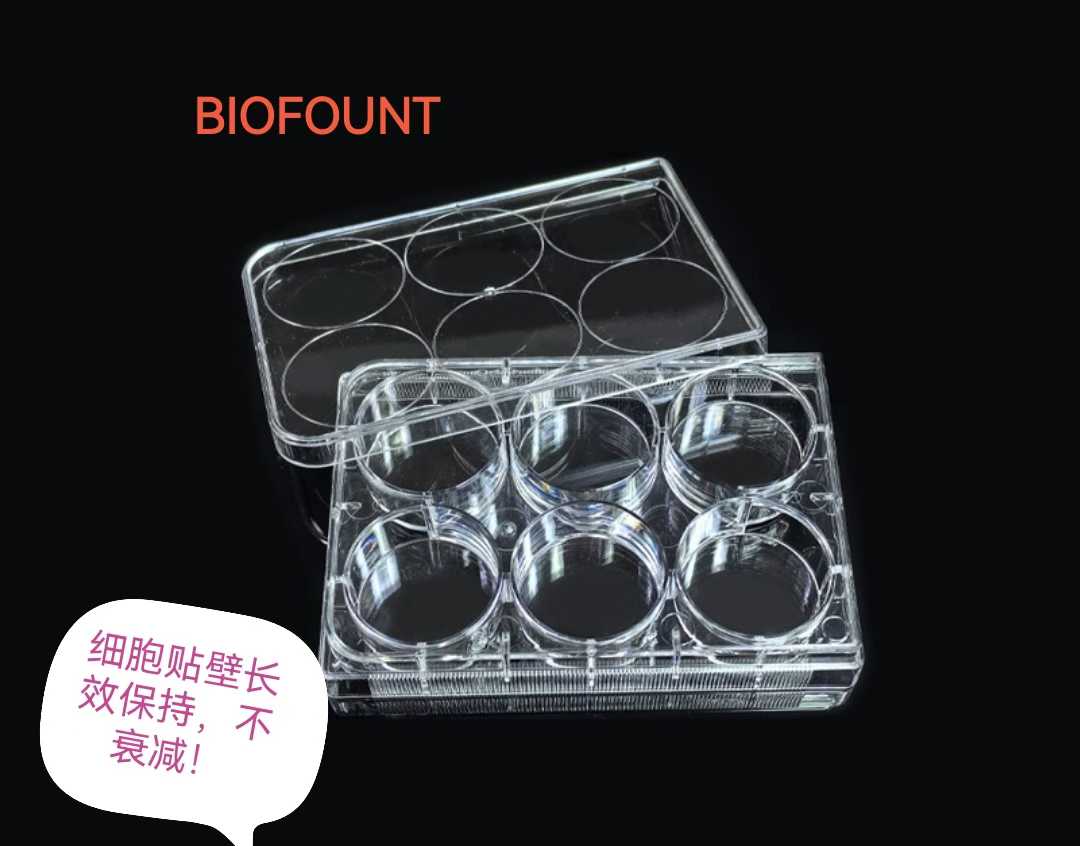
细胞培养耗材关键性能
细胞培养板的水接触角作为表面润湿性的核心指标,直接影响细胞贴壁、增殖、分化及功能表达,其中40°(低接触角/...
2026/4/28 14:52:44
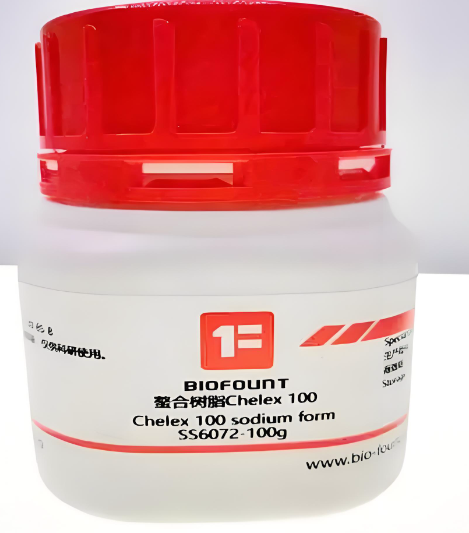
chelex 100树脂国产替代之路-BIOFOUNT范德生物
Chelex 100螯合离子交换树脂对铜、铁和其他重金属?的偏好显著高于对钠、钾等一价阳离子的偏好。它对二价...
2025/11/4 14:22:46
9月开学季——助研新学期 范德送好礼
2025/8/28 15:30:55

Waxfilm 实验室封口膜:技术与国际市场的双重突破
在实验室耗材领域,封口膜是保障实验准确性与稳定性的关键产品之一。近年来,Waxfilm?实验室封口膜凭借其卓...
2025/5/13 13:03:40
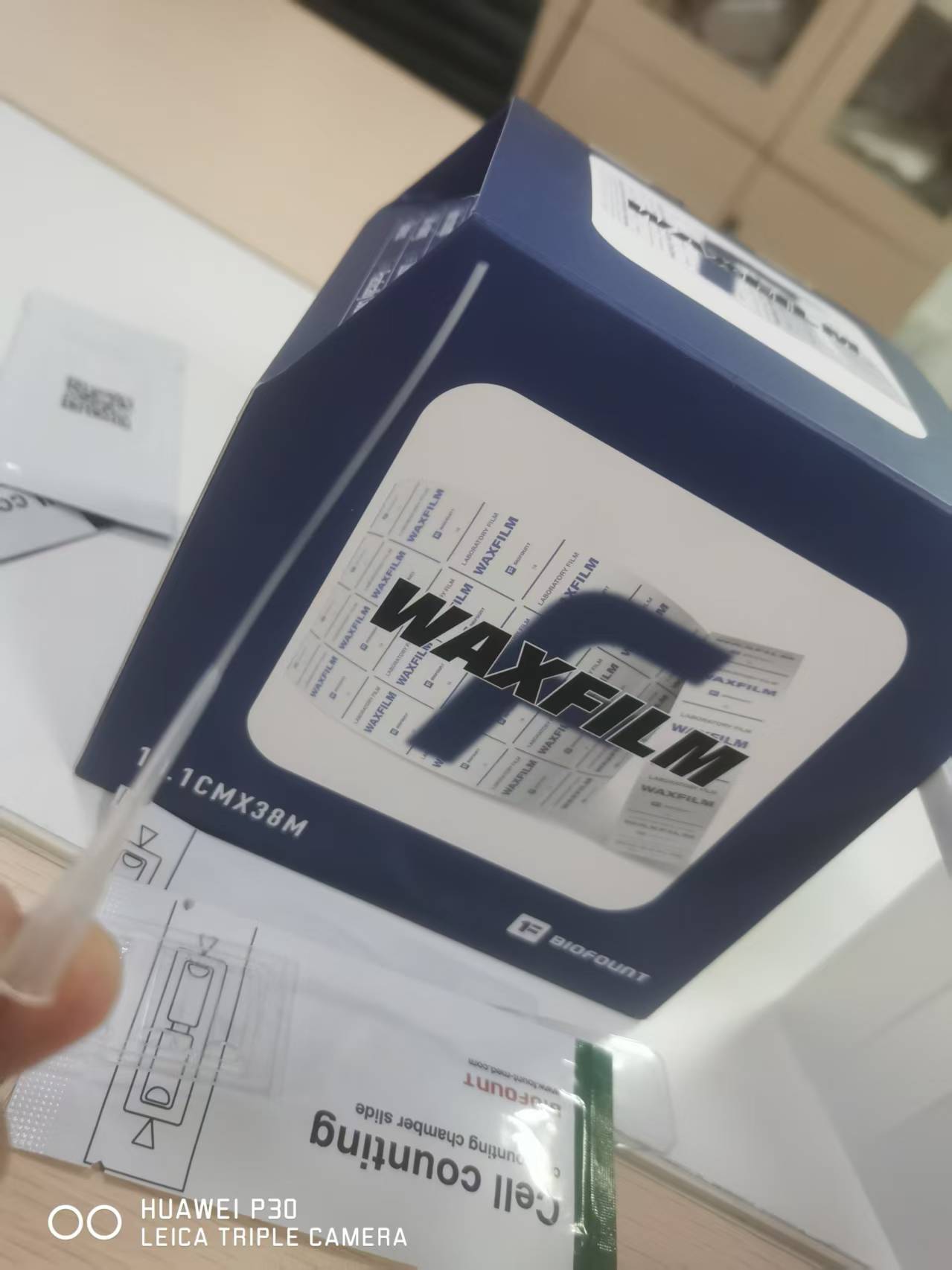
Waxfilm实验室封口膜的5大突破
Waxfilm实验室封口膜作为生物功能膜领域的国产技术突破和品牌突破,是生物领域中国技术发展的缩影。
2025/5/6 17:02:07
各种微流控芯片键合方法的优缺点
微流控芯片键合:目前主要有激光焊接、热压键合、胶键合、超音波焊接,每种方法都有各自的优缺点。本文主要介绍聚酯...
2023/7/28 10:43:09
新一代微流控键合解决方案
微流控键合解决方案:微流控芯片制造的一个重要环节,也是最容易被忽视的--芯片键合。其中一个重要因素是:微流控...
2023/7/27 12:44:28