
 购物车
购物车 
-
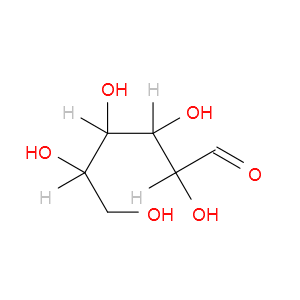
D-甘露糖
NMR and HPLC COA下载 MSDS下载 - Names:
D-(+)-Mannose, Aldohexose carbohydrate
- CAS号:
3458-28-4
MDL Number: MFCD00064122 - MF(分子式): C6H12O6 MW(分子量): 180.16
- EINECS:222-392-4 Reaxys Number:
- Pubchem ID: Brand:BIOFOUNT
D-甘露糖(3458-28-4;D-Mannose)是在各种细胞过程中参与某些分子糖基化的单糖。D-甘露糖在许多水果和蔬菜中均有发现的一种单糖。D-甘露糖可以用于治疗由遗传缺陷引起的缺陷,这种缺陷会导致甘露糖的异常分解和产生。D-甘露糖可能会阻止某些细菌粘附到尿道壁上并引起感染。
| 货品编码 | 规格 | 纯度 | 价格 (¥) | 现价(¥) | 特价(¥) | 库存描述 | 数量 | 总计 (¥) |
|---|---|---|---|---|---|---|---|---|
| SS1620-100g | 100g | 99% | ¥ 285.33 | ¥ 285.33 | 138 | Instock,1days | ¥ 0.00 | |
| SS1620-500g | 500g | 99% | ¥ 1240.00 | ¥ 1240.00 | 618 | Instock 1days | ¥ 0.00 | |
| SS1620-25g | 25g | 99% | ¥ 86.67 | ¥ 86.67 | 48 | Instock,1days | ¥ 0.00 |
| 中文别名 | D-甘露糖(3458-28-4);D-(+)-甘露糖;3458-28-4;D(+)-麦芽糖; |
| 英文别名 | D-(+)-Mannose, Aldohexose carbohydrate(3458-28-4);D-Mannose;D-(+)-Mannose;D-(+)-Mannose |
| CAS号 | 3458-28-4 |
| Inchi | InChI=1S/C6H12O6/c7-1-2-3(8)4(9)5(10)6(11)12-2/h2-11H,1H2/t2-,3-,4+,5+,6/m1/s1 |
| InchiKey | WQZGKKKJIJFFOK-QTVWNMPRSA-N |
| 分子式 Molecular Weight | C6H12O6 |
| 分子量 Formula | 180.16 |
| 溶解度Solubility | DMF: 10 mg/ml DMSO: 20 mg/ml PBS (pH 7.2): 10 mg/ml). |
| 性状 | 白色固体粉末 |
| 储藏条件 Storage conditions | 室温保存 |
D甘露糖的用途:
D-甘露糖可以治疗由遗传缺陷引起的缺陷,这种缺陷会导致甘露糖的异常分解和产生。D-甘露糖可能会阻止某些细菌粘附到尿道壁上并引起感染。
D-甘露糖实验注意事项:
1.使用3458-28-4实验前需戴好防护眼镜,穿戴防护服和口罩,佩戴手套,避免与皮肤接触。
2.使用3458-28-4实验过程中如遇到有毒或者刺激性物质及有害物质产生,必要时实验操作需要手套箱内完成以免对实验人员造成伤害。
3.取样品3458-28-4的移液枪头需及时更换,必要时为避免交叉污染尽可能选择滤芯吸头。
4.称量药品时选用称量纸,并无风处取药和称量以免扬撒,试剂的容器使用前务必确保干净,并消毒。
5.取药品3458-28-4时尽量采用多个药勺分别使用,使用后清洗干净。
6.实验后产生的废弃物需分类存储,并交于专业生物废气物处理公司处理,以免造成环境污染。
大规格定制:定制产品请将信息发送至sales@bio-fount.com。
Experimental considerations:
1. Wear protective glasses, protective clothing and masks, gloves, and avoid contact with the skin during the experiment.
2. The waste generated after the experiment needs to be stored separately, and handed over to a professional biological waste gas treatment company to avoid environmental pollution.
| 产品说明 | D-甘露糖(3458-28-4;D-Mannose)是细胞参与分子糖基化过程的单糖,D-甘露糖也叫D-(+)-甘露糖,D-甘露糖其他参数见主页 |
| Introduction | D-Mannose(3458-28-4;D-甘露糖) is a monosaccharide involved in glycosylation of some molecules in various cellular processes. |
| Application1 | 甘露糖是己糖醛碳水化合物 |
| Application2 | D-甘露糖可用于在体外研究外源性甘露糖的影响,如甘露糖基化进程 |
| Application3 | D-甘露糖是一种单糖 |
| 警示图 | |
| 危险性 | warning |
| 危险性警示 | Not Available |
| 安全声明 | H303吞入可能有害+H313皮肤接触可能有害+H333吸入可能对身体有害 |
| 安全防护 | P264处理后彻底清洗+P280戴防护手套/穿防护服/戴防护眼罩/戴防护面具+P305如果进入眼睛+P351用水小心冲洗几分钟+P338取出隐形眼镜(如果有)并且易于操作,继续冲洗+P337如果眼睛刺激持续+P313获得医疗建议/护理 |
| 备注 | 避免吸入,误食以及与皮肤接触 |
| Alton G, Hasilik M, Niehues R, et al. Direct utilization of mannose for mammalian glycoprotein biosynthesis. Glycobiology 1998;8:285-95. |
| Davis JA, Freeze HH. Studies of mannose metabolism and effects of long-term mannose ingestion in the mouse. Biochim Biophys Acta 2001;1528:116-26. |
| Freinkel N, Lewis NJ, Akazawa S, et al. The honeybee syndrome - implications of the teratogenicity of mannose in rat-embryo culture. N Engl J Med 1984;310:223-30. |
| Hendriksz CJ, McClean P, Henderson MJ, et al. Successful treatment of carbohydrate deficient glycoprotein syndrome type 1b with oral mannose. Arch Dis Child 2001;85:339-40. |
| Kranjcec B, Papes D, Altarac S. D-mannose powder for prophylaxis of recurrent urinary tract infections in women: a randomized clinical trial. World J Urol. 2014 Feb;32(1):79-84. |
Michaels EK, Chmiel JS, Plotkin BJ, Schaeffer AJ. Effect of D-mannose and D-glucose on Escherichia coli bacteriuria in rats. Urol Res 1983;11:97-102 .
Niehues R, Hasilik M, Alton G, et al. Carbohydrate-deficient glycoprotein syndrome type Ib. Phosphomannose isomerase deficiency and mannose therapy. J Clin Invest 1998;101:1414-20.
Ofek I, Goldhar J, Eshdat Y, Sharon N. The importance of mannose specific adhesins (lectins) in infections caused by Escherichia coli. Scand J Infect Dis Suppl 1982;33:61-7.
Ofek I, Mosek A, Sharon N. Mannose-specific adherence of Escherichia coli freshly excreted in the urine of patients with urinary tract infections, and of isolates subcultured from the infected urine. Infect Immun 1981;34:708-11.
Schaeffer AJ, Chmiel JS, Duncan JL, Falkowski WS. Mannose-sensitive adherence of Escherichia coli to epithelial cells from women with recurrent urinary tract infections. J Urol 1984;131:906-10.
Venegas MF, Navas EL, Gaffney RA, et al. Binding of type 1-piliated Escherichia coli to vaginal mucus. Infect Immun 1995;63:416-22. View abstract.
Vicariotto F. Effectiveness of an association of a cranberry dry extract, D-mannose, and the two microorganisms Lactobacillus plantarum LP01 and Lactobacillus paracasei LPC09 in women affected by cystitis: a pilot study. J Clin Gastroenterol. 2014 Nov-Dec;48 Suppl 1:S96-101.
Niehues R, Hasilik M, Alton G, et al. Carbohydrate-deficient glycoprotein syndrome type Ib. Phosphomannose isomerase deficiency and mannose therapy. J Clin Invest 1998;101:1414-20.
Ofek I, Goldhar J, Eshdat Y, Sharon N. The importance of mannose specific adhesins (lectins) in infections caused by Escherichia coli. Scand J Infect Dis Suppl 1982;33:61-7.
Ofek I, Mosek A, Sharon N. Mannose-specific adherence of Escherichia coli freshly excreted in the urine of patients with urinary tract infections, and of isolates subcultured from the infected urine. Infect Immun 1981;34:708-11.
Schaeffer AJ, Chmiel JS, Duncan JL, Falkowski WS. Mannose-sensitive adherence of Escherichia coli to epithelial cells from women with recurrent urinary tract infections. J Urol 1984;131:906-10.
Venegas MF, Navas EL, Gaffney RA, et al. Binding of type 1-piliated Escherichia coli to vaginal mucus. Infect Immun 1995;63:416-22. View abstract.
Vicariotto F. Effectiveness of an association of a cranberry dry extract, D-mannose, and the two microorganisms Lactobacillus plantarum LP01 and Lactobacillus paracasei LPC09 in women affected by cystitis: a pilot study. J Clin Gastroenterol. 2014 Nov-Dec;48 Suppl 1:S96-101.
对不起,暂无产品评价!
MSDS
SDS 1.0 中文
展开
SDS 1.0 英文
展开
- 相关产品
-
< >
- 推荐产品
-
< >
- 最新产品
-
< >
新闻
怎么做细胞爬片免疫组化染色实验
细胞爬片免疫组化染色,是通过细胞爬片是让玻片浸在细胞培养基内,细胞在玻片上生长,主要用于组织学,免疫组织化学...
2020/7/20 22:04:33
提取病毒RNA的实验方法
提取病毒RNA方法分别有:异硫氰酸胍的提取病毒RNA方法、TRIzol LS提取法、Trizol法提取法等等...
2020/7/22 20:29:26
细胞培养耗材技术领先性
细胞培养板行业面临的核心痛点是:常规TC处理后表面亲水角随时间衰减,影响长期培养稳定性,BIOFOUNT高分...
2026/4/28 15:12:51
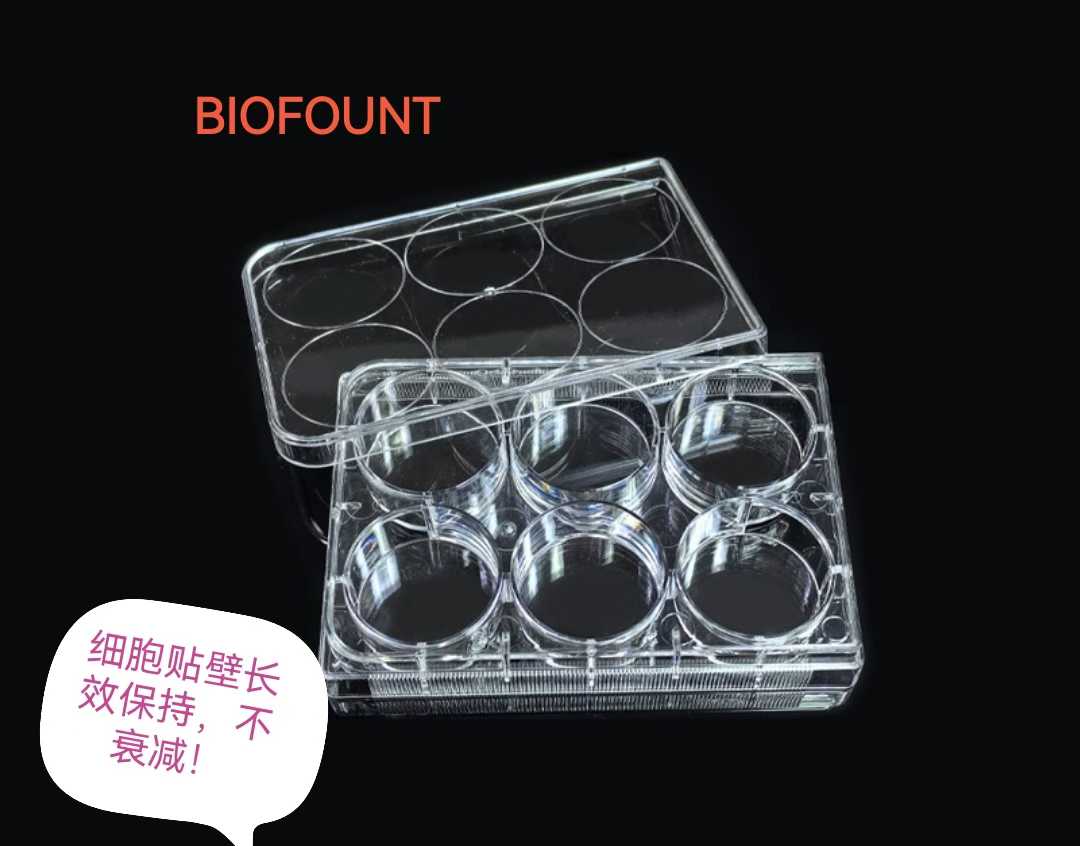
细胞培养耗材关键性能
细胞培养板的水接触角作为表面润湿性的核心指标,直接影响细胞贴壁、增殖、分化及功能表达,其中40°(低接触角/...
2026/4/28 14:52:44
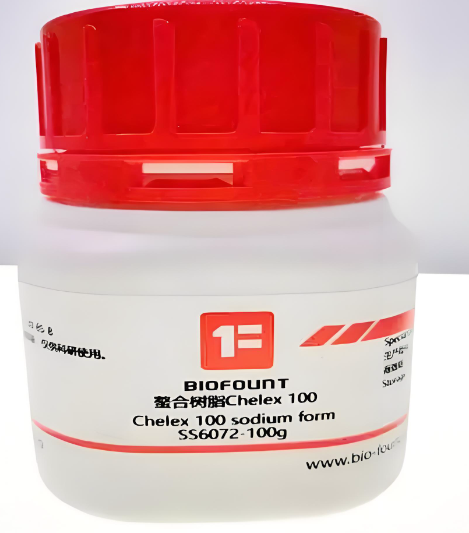
chelex 100树脂国产替代之路-BIOFOUNT范德生物
Chelex 100螯合离子交换树脂对铜、铁和其他重金属?的偏好显著高于对钠、钾等一价阳离子的偏好。它对二价...
2025/11/4 14:22:46
9月开学季——助研新学期 范德送好礼
2025/8/28 15:30:55

Waxfilm 实验室封口膜:技术与国际市场的双重突破
在实验室耗材领域,封口膜是保障实验准确性与稳定性的关键产品之一。近年来,Waxfilm?实验室封口膜凭借其卓...
2025/5/13 13:03:40
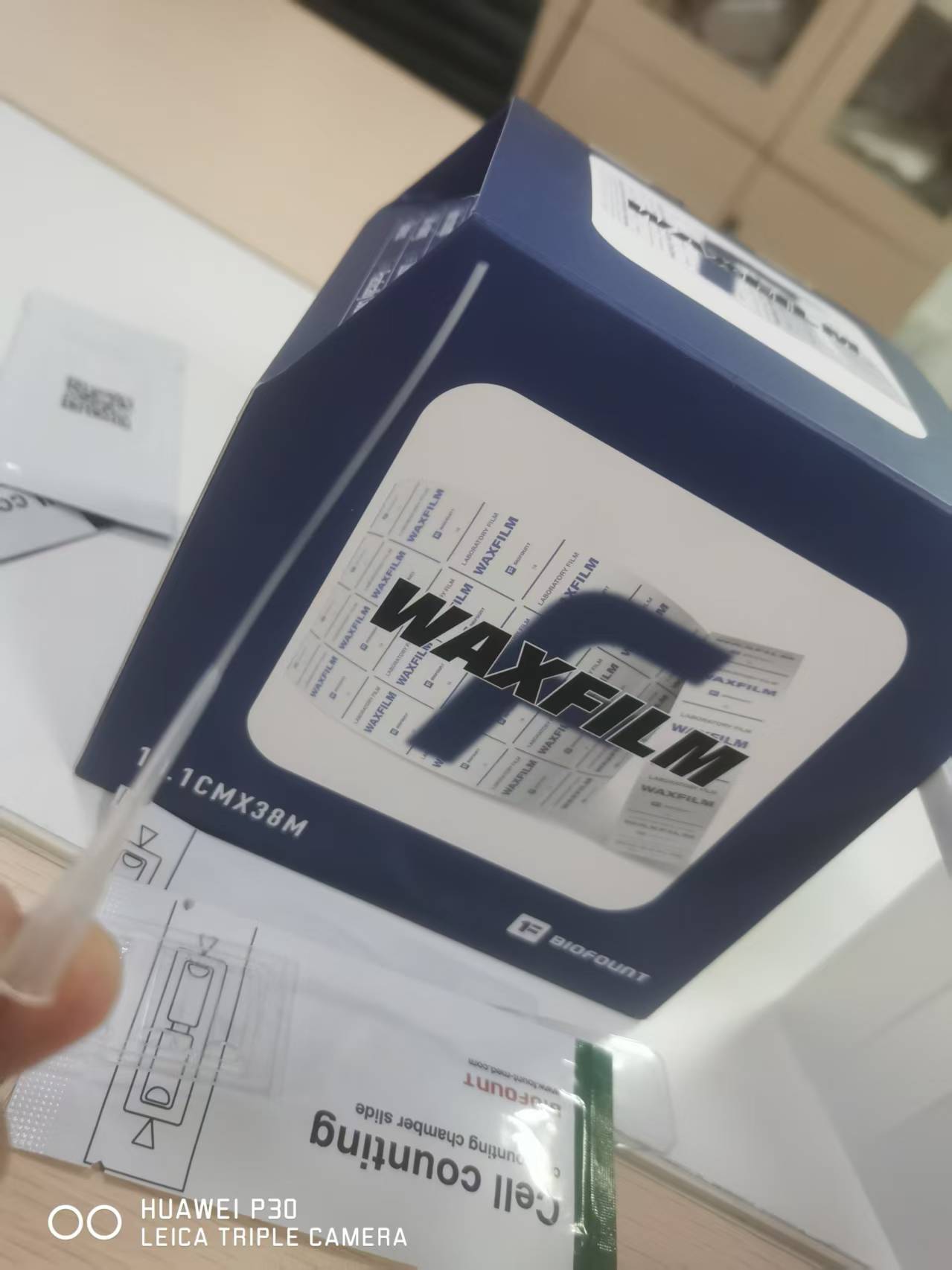
Waxfilm实验室封口膜的5大突破
Waxfilm实验室封口膜作为生物功能膜领域的国产技术突破和品牌突破,是生物领域中国技术发展的缩影。
2025/5/6 17:02:07
各种微流控芯片键合方法的优缺点
微流控芯片键合:目前主要有激光焊接、热压键合、胶键合、超音波焊接,每种方法都有各自的优缺点。本文主要介绍聚酯...
2023/7/28 10:43:09
新一代微流控键合解决方案
微流控键合解决方案:微流控芯片制造的一个重要环节,也是最容易被忽视的--芯片键合。其中一个重要因素是:微流控...
2023/7/27 12:44:28